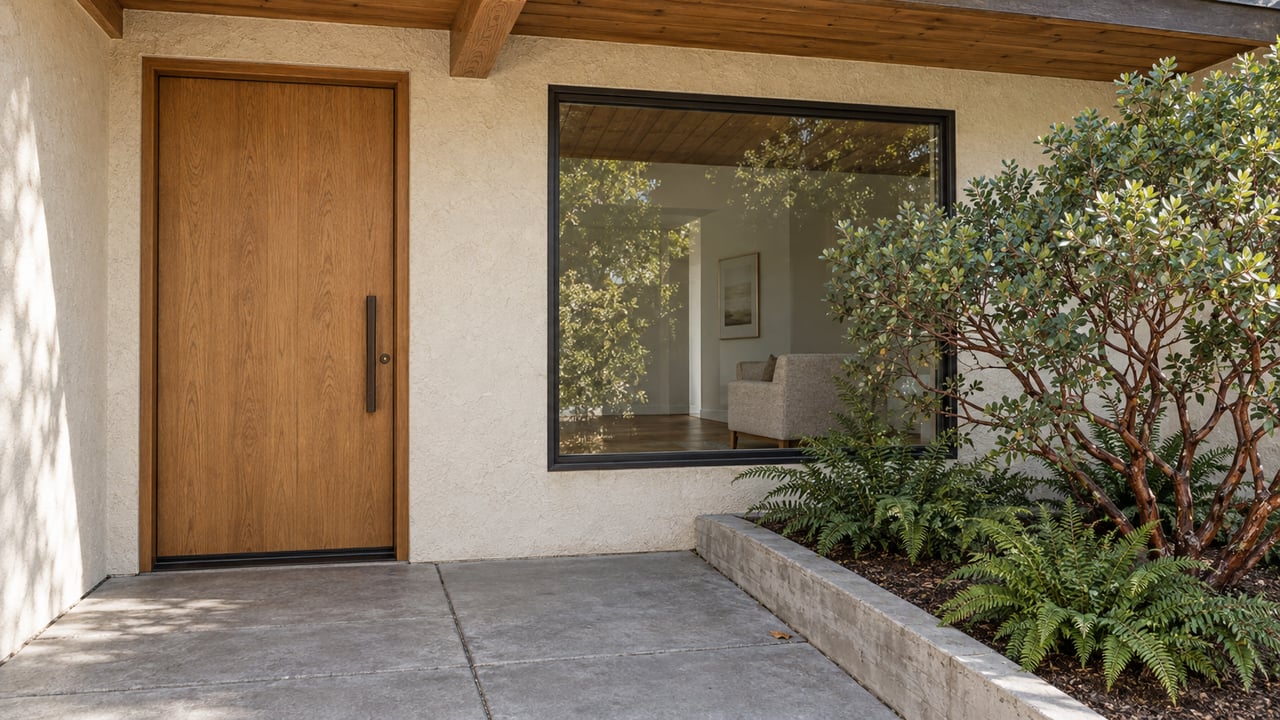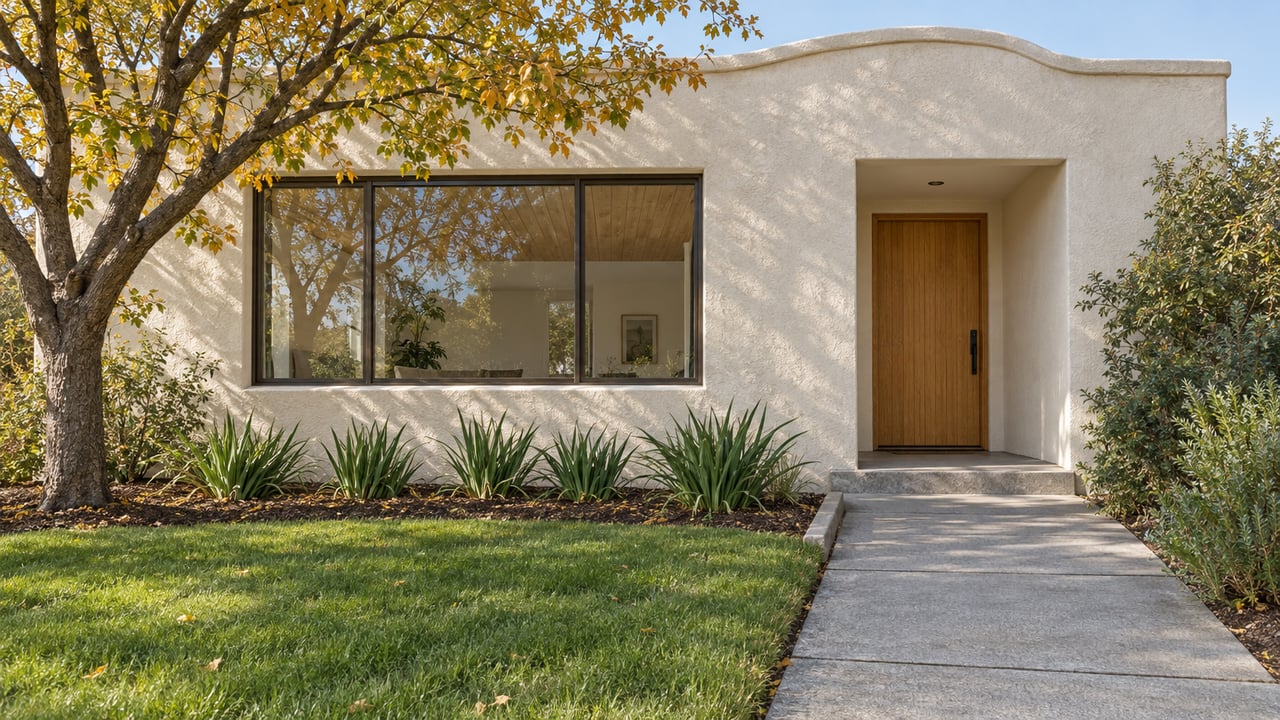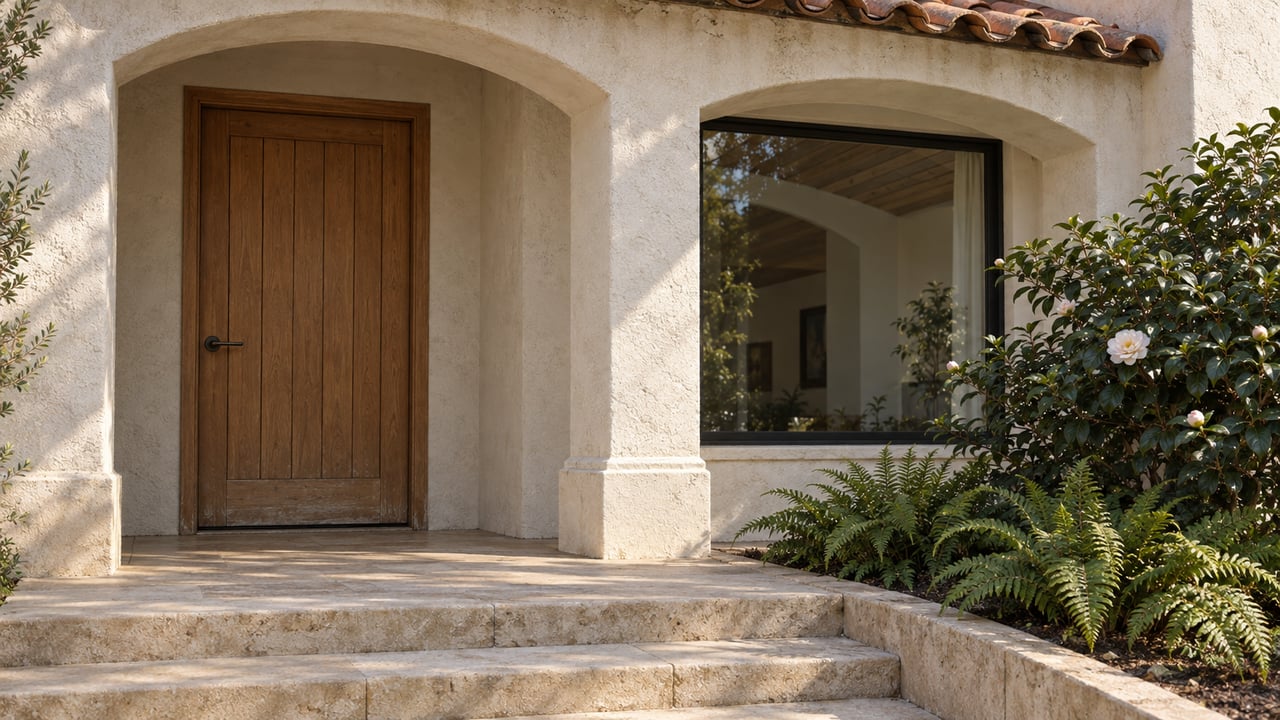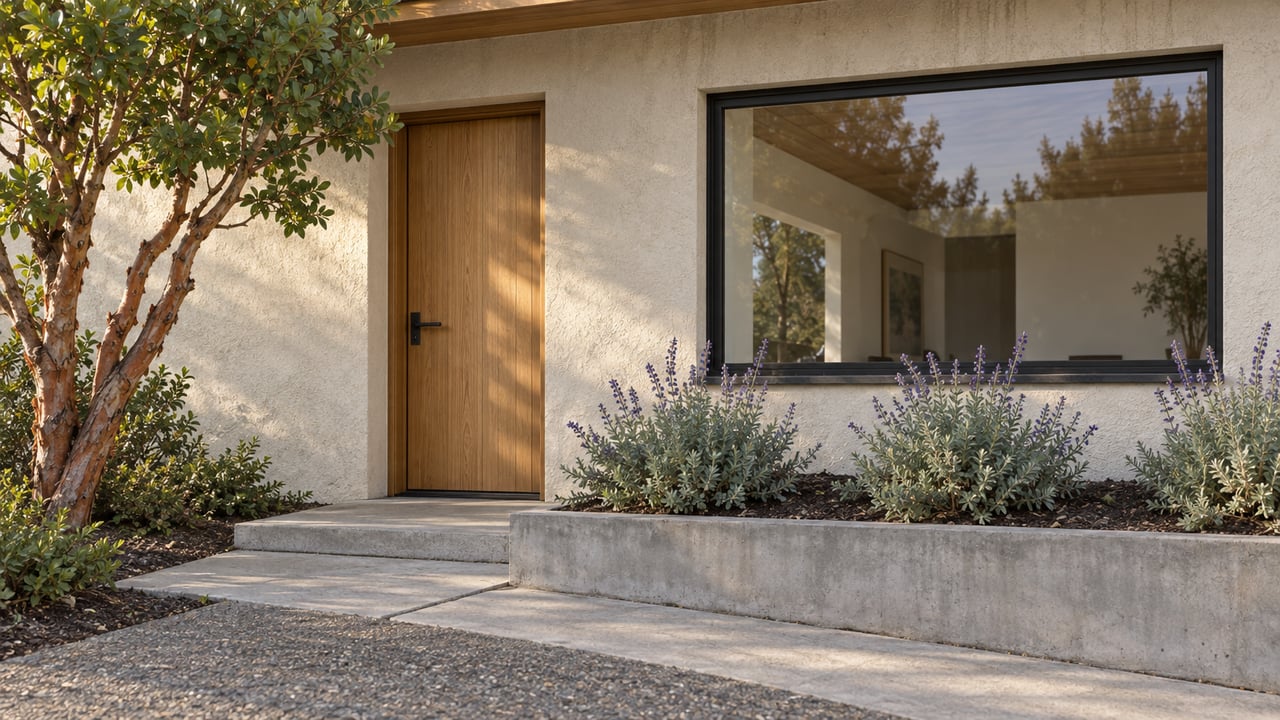
Wondering whether an older Kensington home is a dream find or a future project list? In this part of the East Bay, it is often both. If you are drawn to period details, hillside views, and homes with real character, you also need a clear-eyed plan for inspections, permits, and location-specific risks. This guide will help you understand what to look for so you can buy with more confidence and fewer surprises. Let’s dive in.
Why older homes define Kensington
Kensington’s housing stock is shaped by its early 1900s development and by growth that followed the 1906 San Francisco earthquake and the 1923 Berkeley Fire. That history helps explain why you will see so many older character homes here instead of large pockets of newer tract construction.
That older-home pattern is part of Kensington’s appeal. You may find original architectural details, mature landscaping, and homes with a sense of place that is hard to replicate. At the same time, age often brings deferred maintenance, legacy materials, and past alterations that deserve careful review.
Because Kensington is unincorporated, Contra Costa County handles much of the planning and building process. The county also treats Kensington as a special planning area, with review processes that focus on compatibility, views, privacy, and scale. For you as a buyer, that means the house itself is only part of the story. Future changes to the property may involve extra review.
Start with the site, not just the house
In Kensington, location details can affect ownership costs and future projects as much as interior finishes do. This is a hillside community, and Contra Costa County’s 2024 hazard mitigation plan says all of Kensington lies within a Very High Fire Hazard Severity Zone.
The same county material also notes steep terrain, narrow roadways, landslides, and wildfire as factors that can affect evacuation. That does not mean every property carries the same level of concern, but it does mean you should evaluate the site as carefully as you evaluate the kitchen or floor plan.
When you tour an older Kensington home, pay close attention to how the property meets the land. Notice slope, retaining walls, drainage patterns, and how water appears to move away from the structure. In a hillside setting, those details can matter just as much as square footage.
Focus on the most common inspection issues
Older homes often come with a predictable set of inspection findings. Common trouble spots include grading and drainage, electrical wiring, roof condition, heating systems, and plumbing.
That list is especially useful in Kensington because it matches both the realities of vintage homes and the demands of hillside living. A thorough inspection helps you separate manageable upkeep from bigger safety or water-related concerns.
Foundation movement is another issue to watch closely. In older homes, movement can show up as cracks in walls or masonry, and those signs should be read as clues rather than brushed off as simple cosmetic wear.
Key systems to review closely
Before you remove contingencies or finalize your budget, make sure you have a solid understanding of these areas:
- Drainage and grading: Look for signs of water pooling, erosion, poorly directed downspouts, or soil movement.
- Roof and gutters: Roof wear matters in any home, but gutters and downspouts are especially important on sloped sites.
- Electrical system: Homes 40 years and older should have an electrical inspection, with added attention to aluminum wiring and arc-fault protection concerns.
- Heating and plumbing: Older systems may still function, but age, wear, and deferred updates can affect reliability and cost.
- Walls, floors, and masonry: Cracks or unevenness can offer clues about settlement or movement that deserve more review.
Hillside drainage deserves extra attention
In flat neighborhoods, drainage problems can sometimes stay hidden until a big storm. In Kensington, drainage should be front and center from the start.
Contra Costa County requires drainage plans for certain projects, including some sites with new impervious surface, steep slopes, or a history of flooding or erosion. The county also requires building permits for retaining walls that are 3 feet or more.
For buyers, the practical takeaway is simple: inspect all visible water-management features carefully. That includes grading, gutters, downspouts, retaining walls, and any signs that runoff is moving where it should not.
If the property sits on a pronounced slope, it may be wise to bring in a drainage or structural specialist. That extra step can help you understand whether an issue is cosmetic, maintenance-related, or tied to broader site conditions.
Watch for lead paint and asbestos-era materials
Many older Kensington homes were built before 1978, which means lead-based paint may be present. The EPA says homes built before 1978 are more likely to contain lead-based paint, and renovation or repair work can create hazardous lead dust and chips.
Older buildings may also contain asbestos-era materials such as floor or ceiling tiles, pipe wrap, insulation, or similar legacy products. These materials are not always a problem simply because they exist, but they can become an issue when disturbed during remodeling.
If you are planning updates, build this into your due diligence early. A lead-safe certified contractor is especially important if pre-1978 paint may be disturbed.
Check permit history before you plan upgrades
A beautiful older home can come with a long history of additions and alterations. In Kensington, that history matters because county approvals often come before building permits, and certain exterior changes may go through Kensington’s own design-review path.
Contra Costa County says planning approval is required for projects such as new residential units, ADUs or Jr. ADUs, changes to size, height, or dimensions, exterior changes, and other work. The county also uses Kensington design review when a residential building envelope is expanded within the applicable floor-area thresholds.
That means old additions, enclosed patios, basement conversions, garage conversions, and exterior expansions should be checked against permit history before you create a remodel budget. A space that looks usable today may still raise questions about approvals, records, or future permitability.
How to research permits
Contra Costa County’s digital ePermits system supports property research, permit-status checks, and fee payments. You can search by address or parcel number, which makes it a useful starting point for older homes.
County records can be very helpful, but they are not always complete. The county says it cannot guarantee it will locate all requested documents, and copies of plans may require current owner authorization or licensed-professional permission, though in-person viewing does not require an owner signature.
In practice, this means permit research should be treated as an important tool, not a perfect archive. The goal is to understand the property as clearly as possible before you take on future work.
Understand Kensington’s extra review layers
Kensington has a few local quirks that make early planning especially important. Since it is an unincorporated community, county processes guide the path for many common property changes.
There is also an extra local layer around trees and views. Contra Costa County’s FAQ says the Tree Obstruction of Views combining district applies only to Kensington, and protected-tree work may require a permit.
If you are buying with renovation plans in mind, this matters. Even changes that seem straightforward can become more complex when design review, tree rules, drainage review, or view-related considerations come into play.
Do not overlook sewer and utility details
Utility and sewer details can shape your near-term costs, especially in older homes. Contra Costa County lists Kensington’s water provider as East Bay Municipal Utility District, with sanitary sewer collection by Stege Sanitary District and treatment by EBMUD.
Kensington is also part of the East Bay Regional Private Sewer Lateral program. The ordinance applies when buying or selling a property and when building or remodeling work exceeds $100,000.
The PSL inspection process looks for issues such as offset joints, root intrusion, and cracked or broken pipe segments. A CCTV inspection alone is not enough, because EBMUD issues a compliance certificate only after a verification test.
For a buyer, this is not just technical fine print. Sewer lateral compliance can affect timing, cost, and negotiations, so it is worth confirming early in the transaction.
Build the right buyer team
Buying an older Kensington home with confidence usually comes down to having the right people around you. A strong local team can help you interpret records, prioritize findings, and keep normal old-house quirks from feeling overwhelming.
A sensible team often includes:
- A local agent who understands Kensington and can help read county records
- A thorough home inspector
- A licensed electrician
- A plumber or sewer-lateral contractor familiar with EBMUD’s PSL program
- A lead-safe certified contractor if pre-1978 paint may be disturbed
- A drainage or structural specialist for sloped sites or more complex conditions
This kind of team approach is especially helpful in a market where charm, age, and site conditions often intersect. It can also help you price risk more accurately before you commit.
Budget in the right order
With an older home, confidence does not come from expecting a perfect inspection. It comes from knowing which issues to handle first and which ones can wait.
In Kensington, the most sensible budgeting approach is usually to prioritize safety, water management, and permit clean-up before cosmetic improvements. That order reflects the kinds of concerns most often flagged in older homes and the realities of hillside ownership.
A fresh kitchen or new finishes may be appealing, but they should not come before electrical safety, drainage control, sewer compliance, or clarity around unpermitted work. When you budget in that order, you protect both your investment and your flexibility.
Older Kensington homes can be deeply rewarding to own, but they ask for more diligence than a newer house in a simpler setting. If you understand the site, investigate the records, and build a smart inspection team, you can move forward with clarity instead of guesswork.
If you are considering a vintage home in Kensington and want grounded, neighborhood-specific guidance, Portia Pirnia can help you evaluate charm, condition, and long-term value with care.
FAQs
What should you inspect first in an older Kensington home?
- Start with drainage, grading, roof condition, electrical, plumbing, heating, and signs of foundation movement such as cracks in walls or masonry.
Why does hillside location matter when buying in Kensington?
- Kensington is a hillside community in a Very High Fire Hazard Severity Zone, and steep terrain, drainage, landslide risk, and evacuation conditions can all affect ownership and future planning.
How do you check permits for a Kensington property?
- Contra Costa County’s ePermits system lets you research property records by address or parcel number, but records may be incomplete, so permit history should be reviewed carefully.
What permit issues are common with older Kensington homes?
- Buyers should pay close attention to old additions, enclosed patios, basement conversions, garage conversions, and exterior expansions, especially before planning renovations.
Does private sewer lateral compliance matter in Kensington home sales?
- Yes. Kensington is in the East Bay Regional Private Sewer Lateral program, and the ordinance applies when buying or selling a property.
Are lead paint concerns common in older Kensington houses?
- They can be, especially in homes built before 1978, because those homes are more likely to contain lead-based paint and renovation work can create hazardous lead dust.