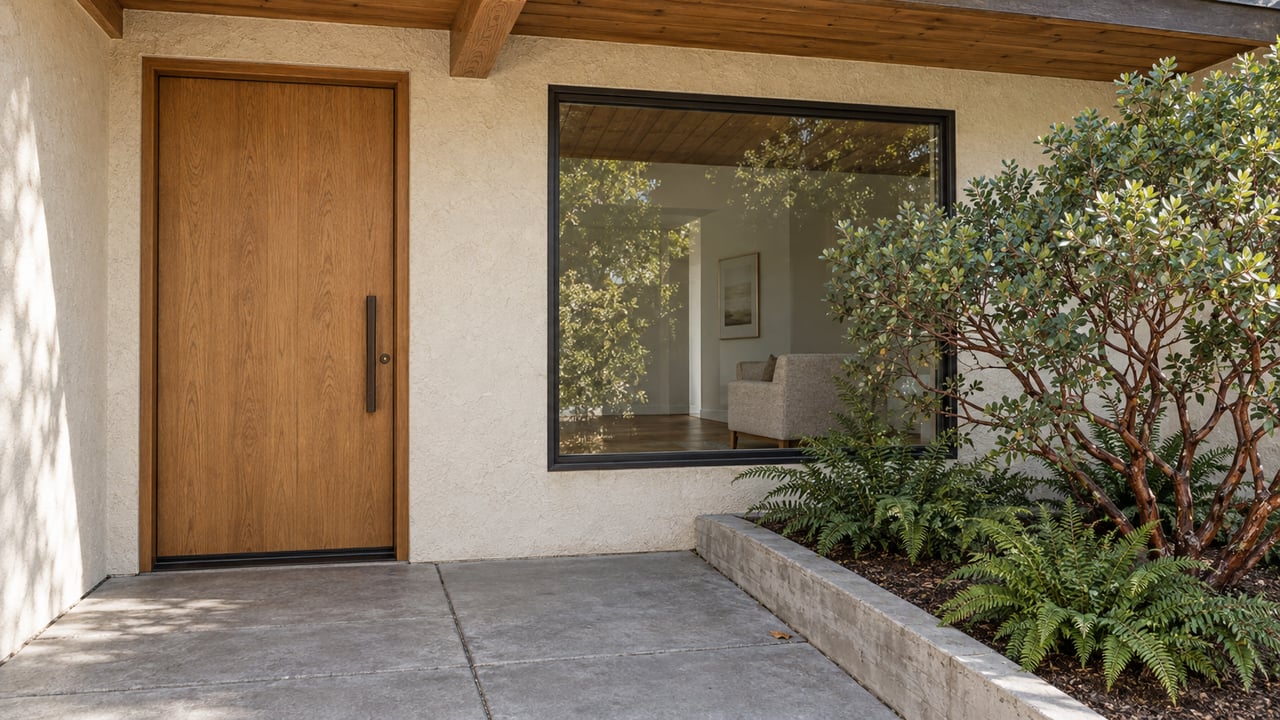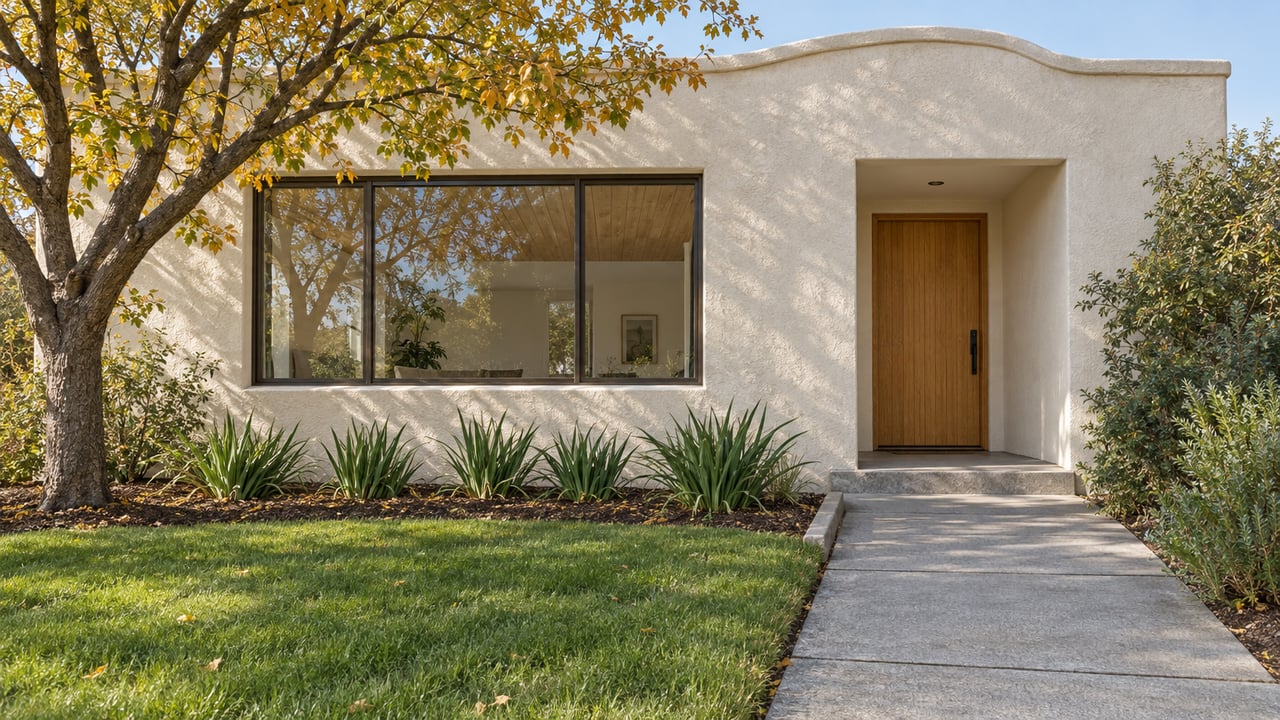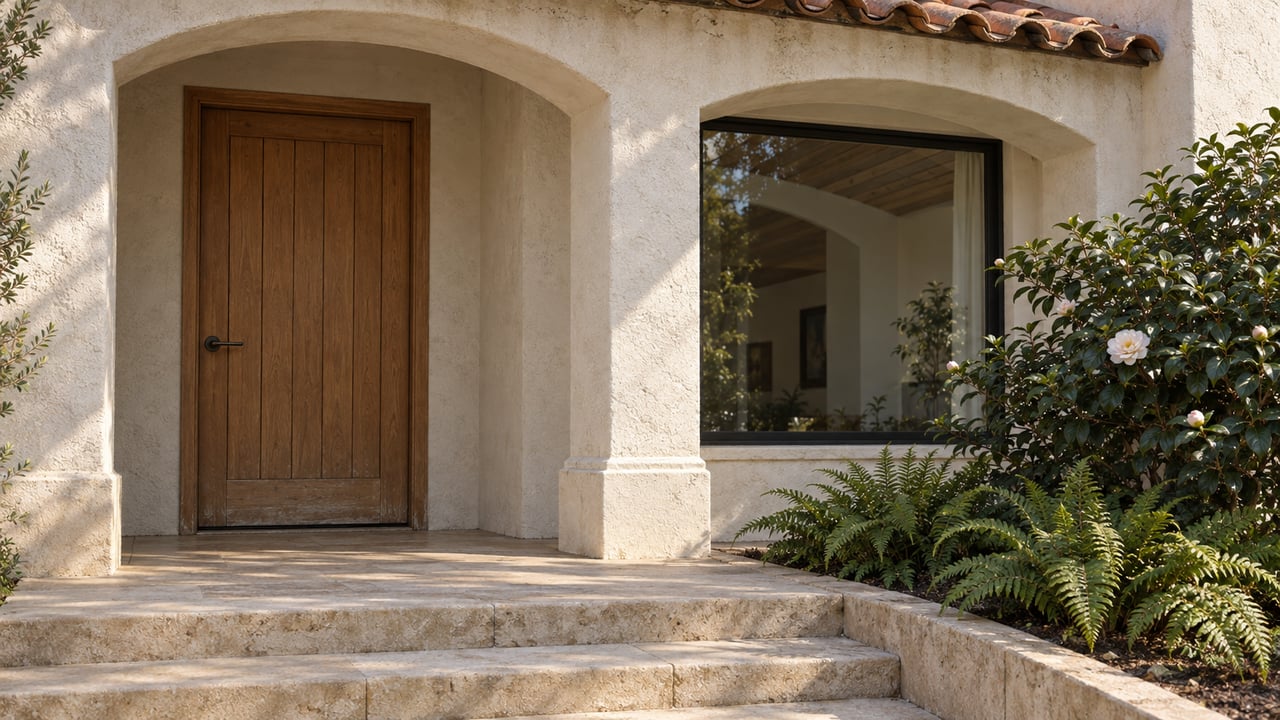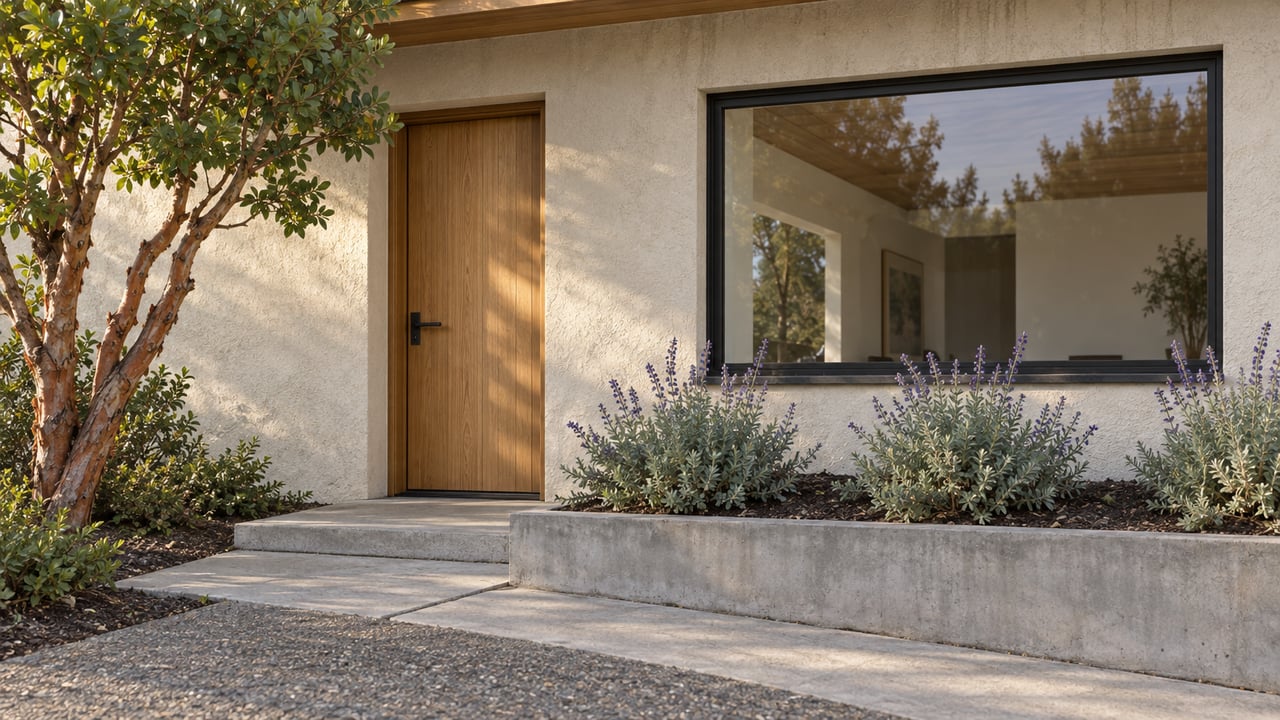
Trying to choose between the El Cerrito hills and the flats? That choice shapes your day-to-day life more than many buyers expect. If you are weighing views, transit, yard usability, stairs, and neighborhood feel, a clear framework can save you time and help you search with confidence. Let’s dive in.
What "hills" and "flats" mean in El Cerrito
In El Cerrito, the basic split is geographic. The city’s lower western elevations near the bay have a more traditional grid pattern, while the higher eastern and northern elevations climb into the Berkeley Hills and are shaped by steeper slopes and the contours of the land.
That distinction matters because it affects how homes sit on their lots, how streets feel, and how you move through the neighborhood. In practical terms, the hills and the flats can offer very different daily experiences even within the same city.
What to expect in the hills
El Cerrito’s hillside areas tend to have curving streets that follow the terrain. The city describes these districts as having homes that are generally larger and newer, with landscaping that often screens the houses from the street.
Some hillside homes offer broad Bay views, and some back up to open space near Wildcat Canyon Park. If you are drawn to privacy, visual drama, and a more tucked-away setting, the hills may stand out right away.
Because these homes sit higher above the bay, buyers often notice more sun, more wind, and stronger view exposure. Depending on the exact location, higher terrain may also sit clearer and warmer when lower areas are under the marine layer.
Common hillside trade-offs
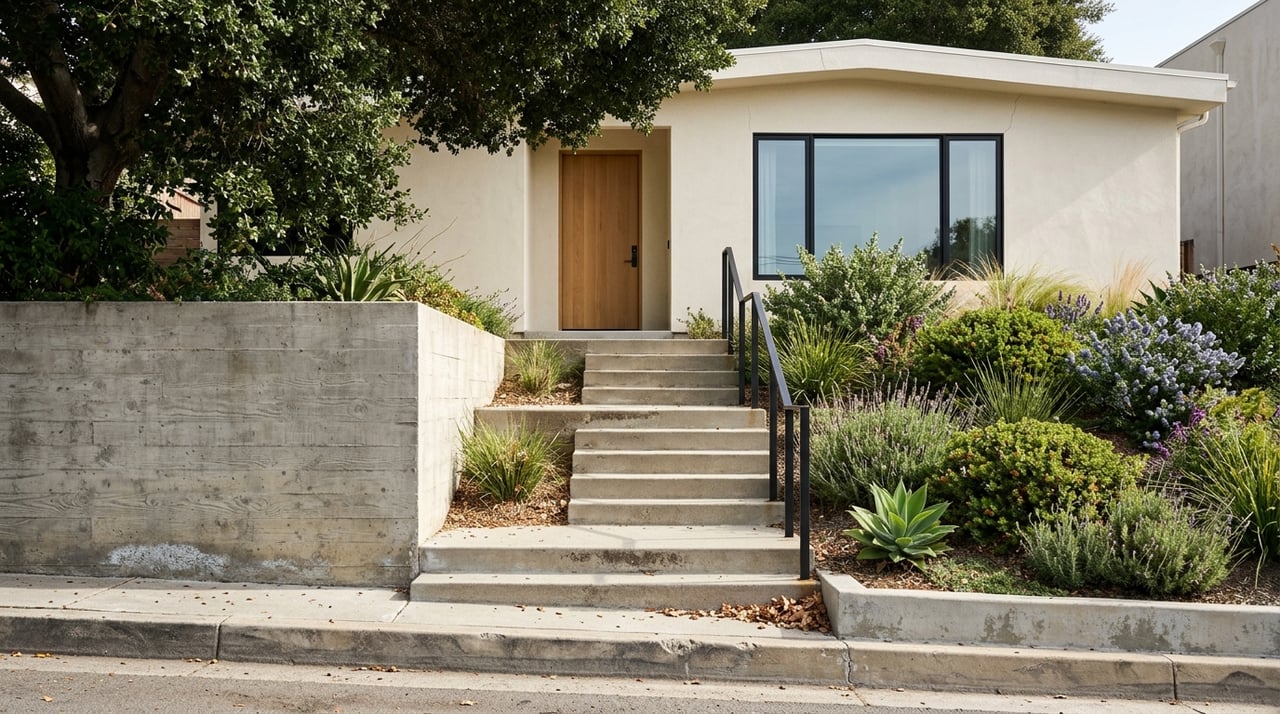
The same topography that creates views can also create daily compromises. A beautiful house can still feel less convenient if the path from the curb to the front door includes a long climb.
As you tour hillside homes, pay close attention to:
- Steps between the street, garage, and main living level
- Steep driveways and how they work for daily parking
- Retaining walls and visible drainage paths
- How much of the outdoor space is actually flat and usable
- Whether guest access feels easy or challenging
These details are easy to underestimate in listing photos. In person, they often become some of the most important quality-of-life factors.
What to expect in the flats
The flatter, lower-elevation parts of El Cerrito are more grid-based. The city describes these areas as having relatively small lots and a mix of housing types, ages, and designs.
That variety can be a real advantage if you want a wider range of home styles and lot layouts. Some lower-density areas farther east also have quieter streets and a range of housing designs, so the flats are not all the same.
The biggest draw for many buyers is convenience. Lower areas are generally closer to the San Pablo Avenue commercial corridor and to the north-south BART and Ohlone Greenway axis, which can make errands and transit access easier.
Common flats trade-offs
Convenience can come with more activity. The city describes San Pablo Avenue as a wide, auto-oriented commercial corridor, and the I-80 corridor as a pedestrian-unfriendly barrier with constant noise and vehicular movement.
That means some flatter locations may offer easier access to shops, buses, and BART, while giving up some quiet and pedestrian comfort. The right balance depends on how you actually live day to day.
Hills vs flats at a glance
| Factor | Hills | Flats |
|---|---|---|
| Street pattern | Curving, contour-based streets | Traditional grid in many areas |
| Home setting | More topographic variation, often more privacy | More regular block patterns and easier navigation |
| Views | More likely to have Bay or open-space outlooks | Less view-driven overall |
| Outdoor space | Lot size may not equal usable flat yard | Easier to find level outdoor areas |
| Access | More steps, steeper driveways possible | Simpler daily access in many locations |
| Transit and errands | Often more slope between home and destinations | Generally easier access to BART, buses, and corridors |
| Noise and activity | Often quieter, depending on location | Some areas closer to busier corridors |
How transit changes your search
El Cerrito has two BART stations and numerous AC Transit lines. The city’s transit policy encourages public transit use as well as pedestrian and bicycle access to transit stops.
El Cerrito Plaza Station serves southern El Cerrito and nearby areas, while El Cerrito del Norte Station serves the northern part of the city. AC Transit service also reflects the city’s geography, with some lines serving the lower San Pablo Avenue corridor and others connecting through areas near Fairmount, Colusa, and Solano.
For your home search, the key question is not just distance on a map. It is how the route feels between the house and the places you use most.
Think beyond "walkable"
A home can be close to BART in straight-line distance but still feel less convenient if there is a significant climb between the front door and the station. In El Cerrito, slope matters just as much as mileage.
When comparing homes, consider:
- The walk from the house to transit
- The grade between the sidewalk and the entry
- Whether biking feels realistic on your route
- How often you will drive instead of walk
- Which matters more to you: BART, bus, bike, or car access
This is where a neighborhood-by-neighborhood search can be more useful than a citywide one. Two homes with similar map pins can live very differently.
How weather and light can feel different
Topography affects more than views. In El Cerrito, elevation can also influence your experience of sun, wind, and fog.
Lower areas may be more likely to sit under marine-layer conditions, while higher terrain can remain clearer and warmer. That does not mean every hillside home is sunny all the time, but it does mean micro-location can shape comfort in ways that are worth noticing during showings.
If weather sensitivity matters to you, try visiting at different times of day. A house that feels bright and calm on one afternoon may feel much windier or cooler in another pattern.
Questions to ask on every tour
A smart El Cerrito search is less about choosing a label and more about asking better questions. Whether you prefer the hills or the flats, the goal is to match the home to your actual routines.
Here are some useful questions to bring with you:
- How many steps are there from the street to the front door?
- Is the driveway practical for daily use, deliveries, and guest parking?
- How much of the yard is flat enough to use the way you want?
- Does the home sit low enough to catch more fog, or high enough to sit above it more often?
- Which commute pattern matters most for your household?
- Is the home near hillside open space where vegetation management and fire-resilience planning may matter?
- Does the property depend on private drainage or creek-adjacent infrastructure?
These questions can help you look past staging and focus on long-term fit. They also make it easier to compare homes that seem similar online but function very differently in person.
Why drainage and slope deserve extra attention
El Cerrito’s topography creates beauty, but it also creates practical systems you should understand. The city notes that eight major watersheds drain through El Cerrito, and that many creeks and drainage ways are located on or under private property.
For buyers, that makes drainage an important part of due diligence, especially in hillside or creek-adjacent settings. A home’s relationship to slope, runoff, and site design can matter as much as its square footage.
This does not mean you should avoid these properties. It means you should evaluate them carefully and understand how the site works before you commit.
Matching the area to your priorities
If you value views, privacy, and a more dramatic setting, the hills often deliver that experience. If you value grid streets, easier transit access, and fewer grade-related compromises, the flats may be a better fit.
Neither option is automatically better. The best fit depends on how you define convenience, comfort, and value in your own daily life.
That is where a tailored search really helps. In El Cerrito, small shifts in elevation and location can change a home’s feel in a big way, so it pays to search with a neighborhood-specific lens rather than broad assumptions.
If you want help comparing El Cerrito homes with a sharper eye for layout, setting, and long-term usability, Portia Pirnia offers thoughtful, high-touch guidance tailored to East Bay buyers.
FAQs
What is the difference between the El Cerrito hills and flats?
- The hills are the higher eastern and northern areas shaped by steeper slopes and contour-based streets, while the flats are the lower western areas near the bay with a more traditional grid pattern.
Are El Cerrito hillside homes more likely to have views?
- Yes, some hillside homes offer sweeping Bay views or settings near open space, though the exact outlook depends on the specific property and location.
Are El Cerrito flat areas better for transit access?
- In many cases, yes. Lower areas are generally closer to BART, bus corridors, and commercial areas, which can make daily movement and errands easier.
What should buyers check in El Cerrito hillside homes?
- Buyers should pay close attention to steps, driveway steepness, retaining walls, drainage, and how much of the yard is truly flat and usable.
Does weather feel different in the El Cerrito hills?
- It can. Higher terrain may experience more sun, wind, and clearer conditions above the marine layer, while lower areas may be more affected by fog.
Why does slope matter when searching for an El Cerrito home?
- Slope affects daily access, walkability, parking, usable outdoor space, and the feel of the route between your home and places like BART, bus stops, and shops.