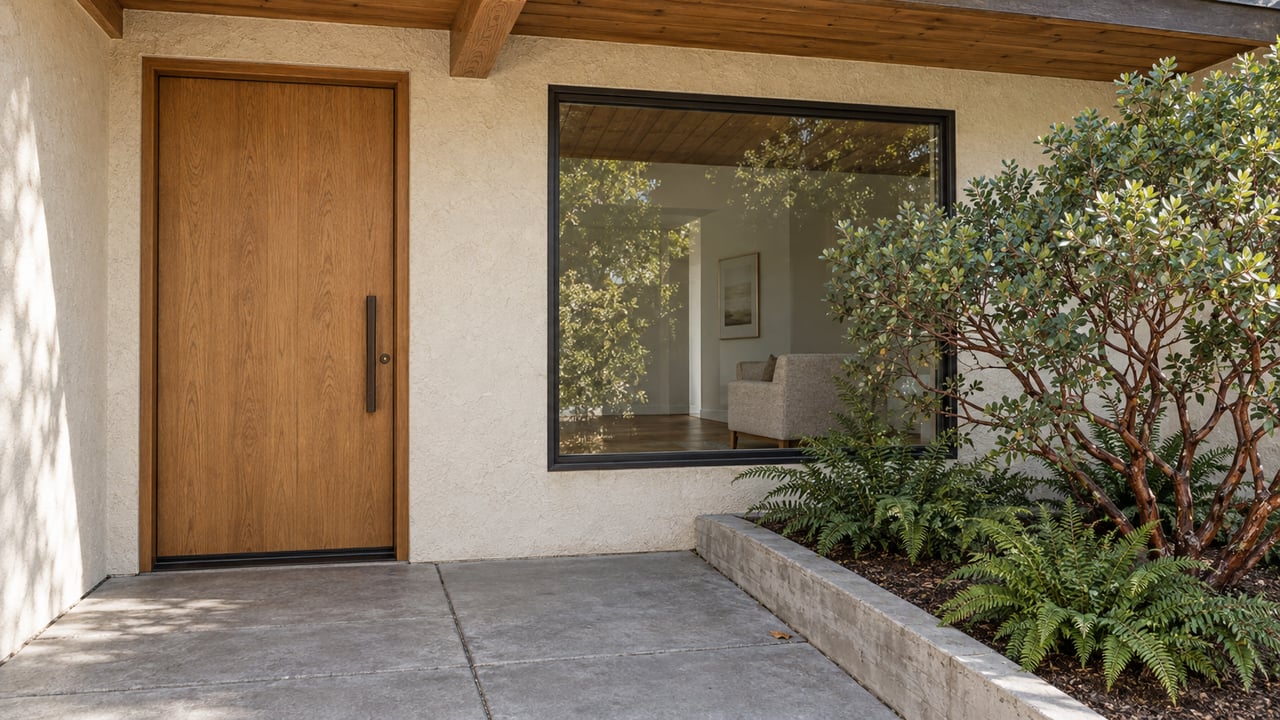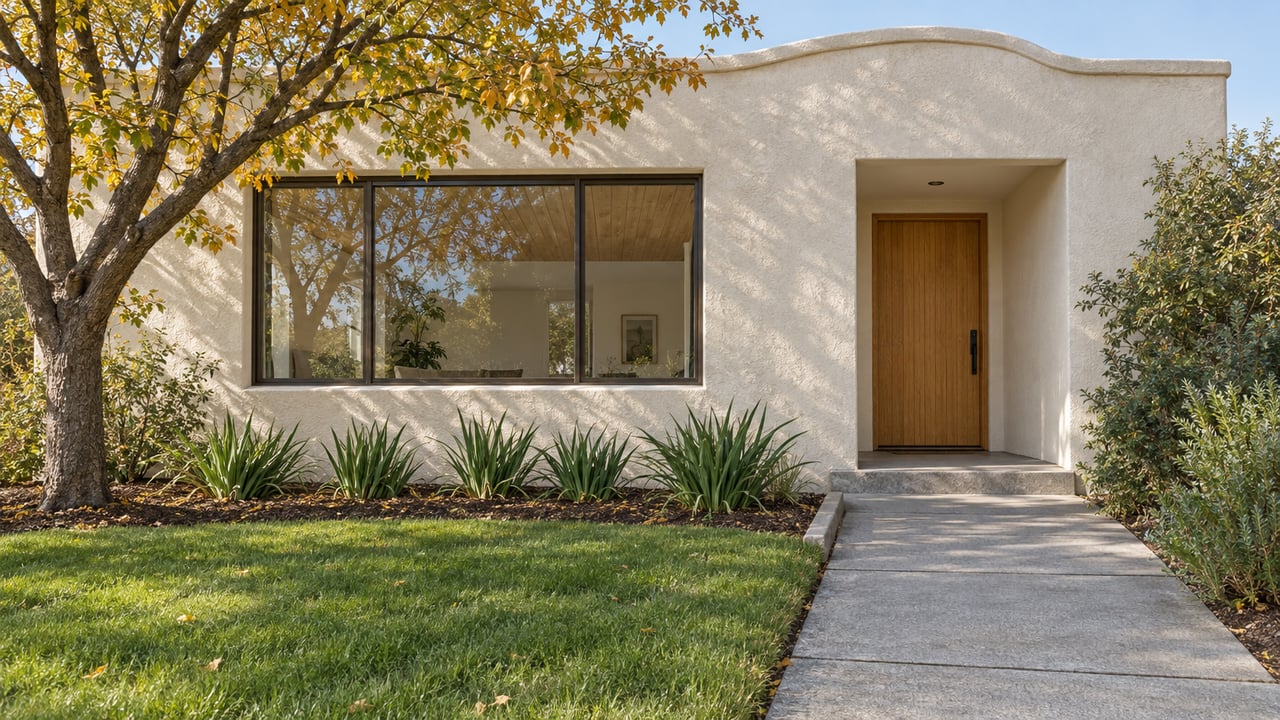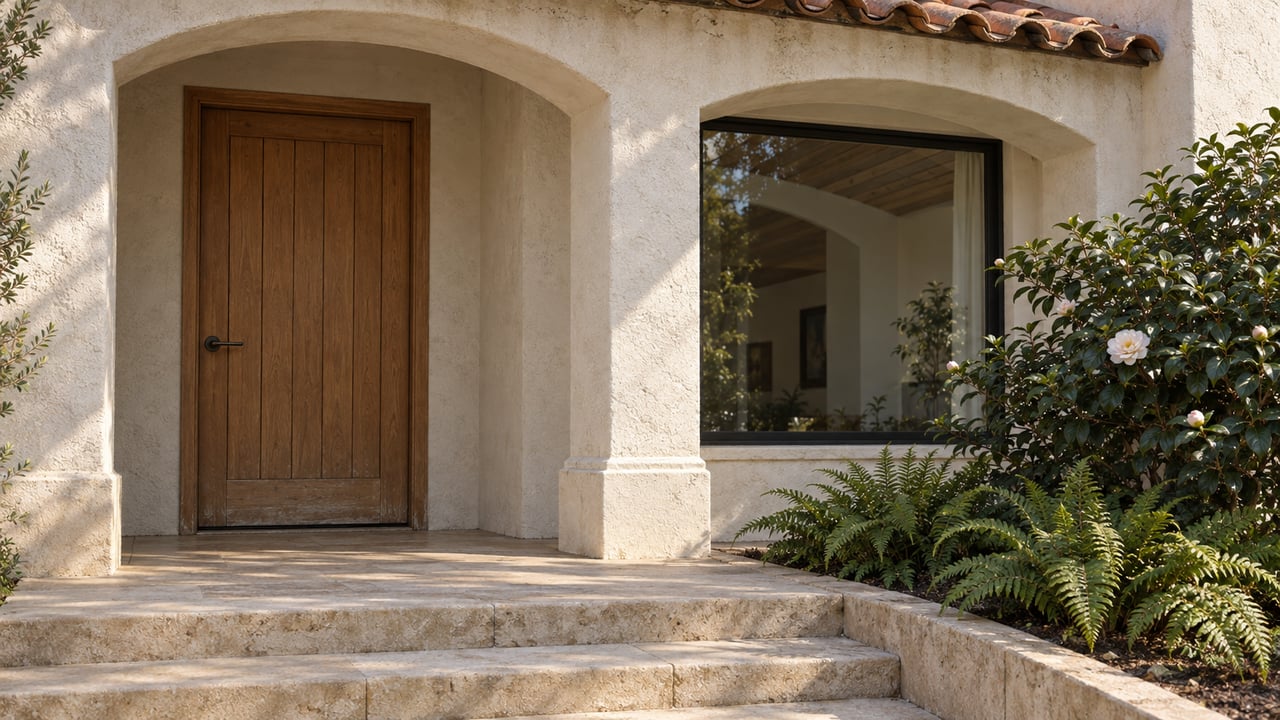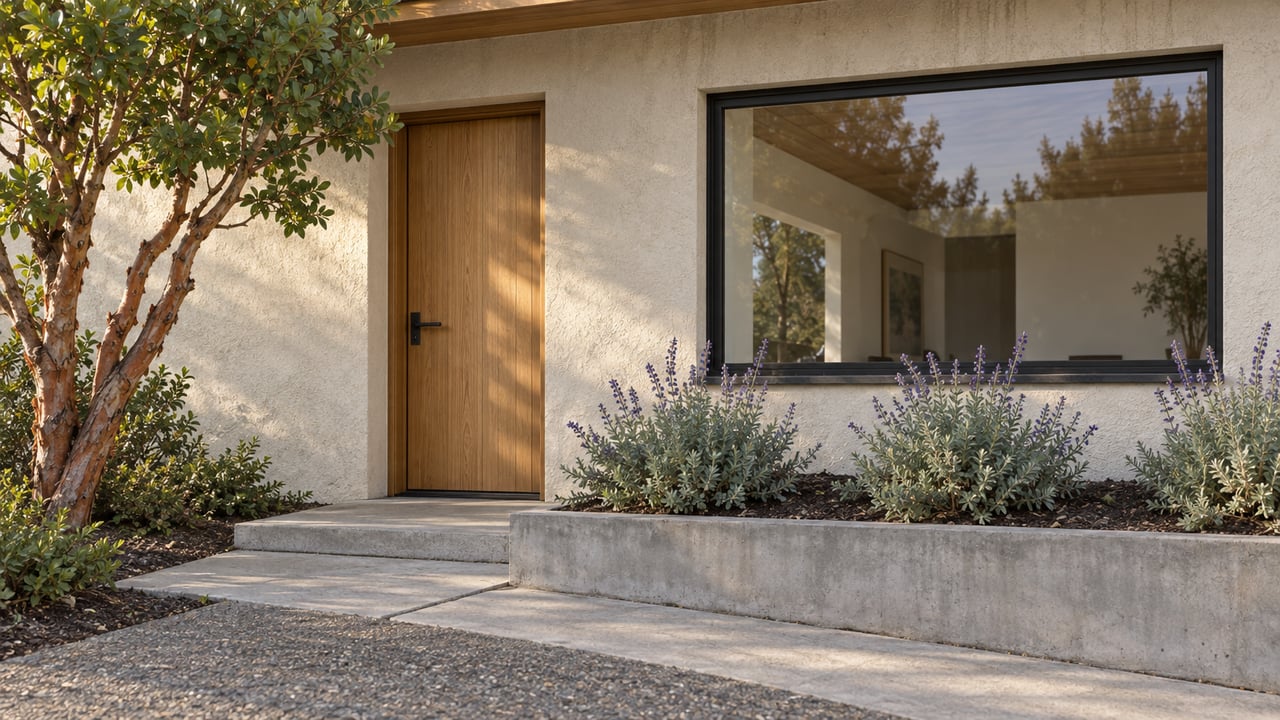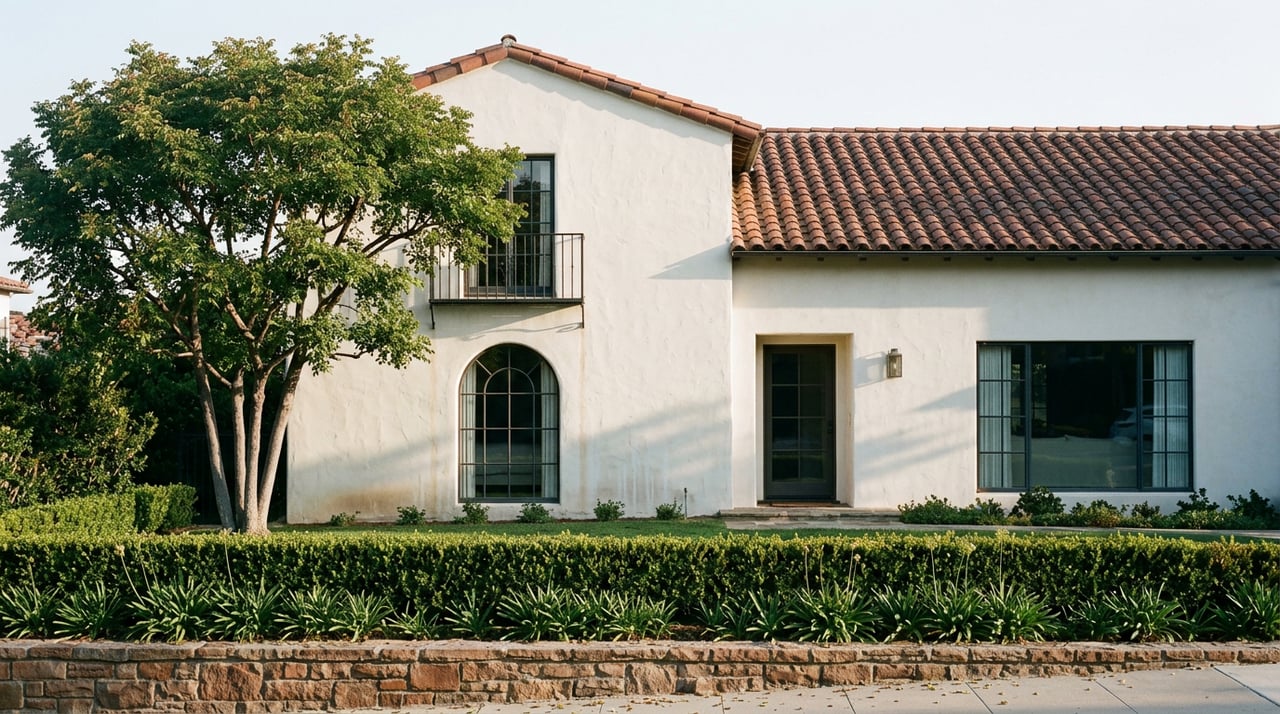
A buyer who has spent a few weekends touring Piedmont and its Oakland Hills neighbors eventually notices the same thing: the houses aren't wildly different. A 1920s Mediterranean in Piedmont and a comparable Tudor two blocks away in Oakland's Crocker Highlands can look like siblings. The price gap between them gets explained away with a shrug: better schools, its own police department, that kind of thing. True enough. But the shrug skips the part that actually shows up on a monthly budget, and it's bigger than most buyers expect.
Piedmont incorporated as its own city in 1907 specifically to avoid being annexed by Oakland, and it still runs its own police force, fire department, and unified school district rather than drawing on county or Oakland services. Running a city that small, at that level of service, costs money that has to come from somewhere other than sales tax on a tourist strip. It comes from a stack of separate, voter-approved parcel taxes layered on top of the ordinary property tax bill, and in June 2026 the largest of those layers was renewed again. If you're comparing a Piedmont purchase to an equivalent home just outside the city line, the number that actually separates the two isn't the list price. It's what shows up on the tax bill twelve months after you close.
The 1% Rate Is Only the Opening Line
California's constitutional property tax rate is 1% of assessed value, and under Proposition 13 that assessed value resets to the purchase price the day escrow closes. On a home selling at Piedmont's three-month median of $3.1 million as of May 2026, that base line alone is roughly $31,000 a year. Every California homeowner pays some version of this. What changes city to city is everything stacked on top of it.
In Piedmont, two of those stacked layers are flat, per-parcel charges that don't scale with the price you paid. The Piedmont Unified School District's parcel tax, renewed by voters in June 2026 as Measure H, charges $3,174 per parcel regardless of the home's value, and it now funds about 20% of the district's entire budget, an estimated $12 million a year. The City of Piedmont's Municipal Services Special Tax adds $1,274 for a single-family residential parcel, a rate that rose 20% when voters approved Measure F in 2023. Local News Matters reports that the 2020 bond override for the city's community pool costs roughly $26 a year for every $100,000 of assessed value and works out to a little over $800 on a $3.1 million assessment. Add that to the other charges, and a buyer closing this year is looking at somewhere north of $36,000 in recurring, parcel-based obligations before a single additional assessment district or bond override that might apply to a specific block gets added in. That figure is illustrative, built from published flat rates and the constitutional base, not a substitute for a title company's actual tax rate area lookup. But it's a useful floor, and it's higher than most buyers price in when they're mentally comparing a Piedmont listing to one three streets over in Oakland.
Nine Renewals Since 1985, and a Tenth Just Passed
What makes the school parcel tax worth understanding isn't just the dollar figure. It's the pattern behind it. According to the district's own account of its funding history, Piedmont residents had approved a version of this tax nine times since 1985 before Measure H, treating the tax as a permanent fixture of how the city's most visible asset gets paid for rather than a one-time ask. Measure H, the June 2026 renewal, passed with close to 80% of the vote, well above the two-thirds threshold required, in a district of about 2,500 students. Campaign organizers Ted Kinch and Rebeccah Pelle ran the renewal effort, and district materials were direct about what a failure would have meant: without it, the board would have had to cut roughly $12 million from the annual budget, forcing layoffs and program cuts across every Piedmont school.
That kind of margin, decade after decade, tells a buyer something a single year's test scores can't. It says the community treats this recurring bill as non-negotiable infrastructure, the same way it treats its fire department or its street paving. If you're weighing whether Piedmont's premium is durable or a temporary froth, a funding mechanism whose latest renewal passed with supermajority support is a better signal than any one year's price chart.
What the City's Own Tax Bought This Year
The school parcel tax funds the district. A separate one funds the city itself, and it's worth tracing where that money actually goes, because it's the clearest evidence of what "independent municipal services" costs in practice. When voters approved Measure F's 20% increase to the Municipal Services Special Tax in 2023, the added revenue, about $538,000 a year, went toward two additional 911 dispatch positions and an expansion of the police department's license plate reader program. The city's FY2025-26 budget documents describe this directly: real, itemized public safety staffing paid for by a tax residents voted to raise on themselves.
By the time the FY2026-27 budget was adopted in June 2026, the city described its own posture shifting from major capital delivery to long-term stewardship, having just finished a new all-electric community pool and relocated its 911 dispatch center, with a next priority of finding a development partner for the Moraga Canyon Specific Plan. None of that is abstract civic trivia. It's the direct, dollar-for-dollar output of the same recurring tax stack a buyer inherits at close of escrow.
The One Tax Piedmont Voters Turned Down
Here's the part that cuts the other way, and it's the detail that makes this story more interesting than "Piedmont taxes are high." In November 2020, the city put a very different kind of tax hike in front of voters: an increase to the real property transfer tax, the one-time fee charged at the sale of a home, from $13 to $17.50 per $1,000 of the sale price. It was pitched as bringing Piedmont in line with Oakland and Berkeley's tiered transfer tax structures. It failed, and barely, by 54 votes out of several thousand cast.
Because that measure failed, Piedmont's transfer tax has sat at $13 per $1,000 since 1993, over thirty years without an increase, even as the median sale price has climbed into eight figures for the city's larger properties. According to an analysis published by the League of Women Voters of Piedmont ahead of that vote, the existing $13 rate is already lower than both Berkeley's and Oakland's top brackets, despite Piedmont's median home value running well above either city's. In other words, the one fee that scales directly with a sale price is comparatively restrained here, while the fees that renew every year regardless of price keep getting extended and expanded.
That's a specific, locally-legible pattern: Piedmont voters have repeatedly said yes to narrow, earmarked, recurring levies tied to a named service, schools, dispatch staffing, a pool bond, and said no to a broader, less-earmarked one-time tax on the sale itself. If you're a seller weighing when and how to list, or a buyer trying to guess what future ballot measures might look like, that history is more useful than a guess.
What This Means If You're Comparing Piedmont to the Hills Next Door
A buyer cross-shopping Piedmont against an equivalent Oakland Hills or Rockridge property should run the comparison on carrying cost, not sticker price. Ask your agent or title company for the specific Tax Rate Area figure on any Piedmont property you're serious about, since it will include the current parcel tax line items in addition to the base rate. Confirm whether the current PUSD Measure H tax and the city's Municipal Services Special Tax are both itemized on the preliminary title report, because they will be, and they don't disappear if you're comparing a starter Piedmont bungalow to a larger Oakland Hills home at a similar price point. And when you're modeling a five or ten year hold, factor in that this community has a documented habit of renewing and occasionally expanding these levies rather than letting them lapse.
None of this makes Piedmont a bad buy. It makes the premium legible. You're not just paying for a school district's reputation. You're buying into a small city that has voted, repeatedly and by wide margins, to fund its own police staffing, its own dispatch center, and its own classrooms directly, rather than relying on Oakland's tax base to do it. For the right buyer, that's exactly the point.
A Few Questions Worth Settling Before You Write an Offer
Does the PUSD parcel tax apply to every property in Piedmont, or only certain neighborhoods? Measure H applies per parcel citywide within the district's boundaries, at the flat $3,174 rate, regardless of home value.
Will the Municipal Services Special Tax go up again? It's reviewed periodically by the city's Budget Advisory and Financial Planning Committee, which makes a recommendation to the council on whether to continue the tax and at what rate. It last increased 20% via Measure F in 2023.
Is the transfer tax split between buyer and seller? Local custom in Piedmont has typically split the $13 per $1,000 rate between buyer and seller, though you should confirm the allocation in your specific purchase agreement.
If you're weighing a Piedmont purchase against a comparable home elsewhere in the East Bay and want the actual tax rate area figures pulled for a specific address before you write an offer, Pirnia Homes can walk through the full carrying-cost picture with you, including a personalized home valuation that accounts for what a property will actually cost to hold, not just what it costs to close on.
This article is general information, not legal, tax or financial advice. Consult a qualified professional about your situation.