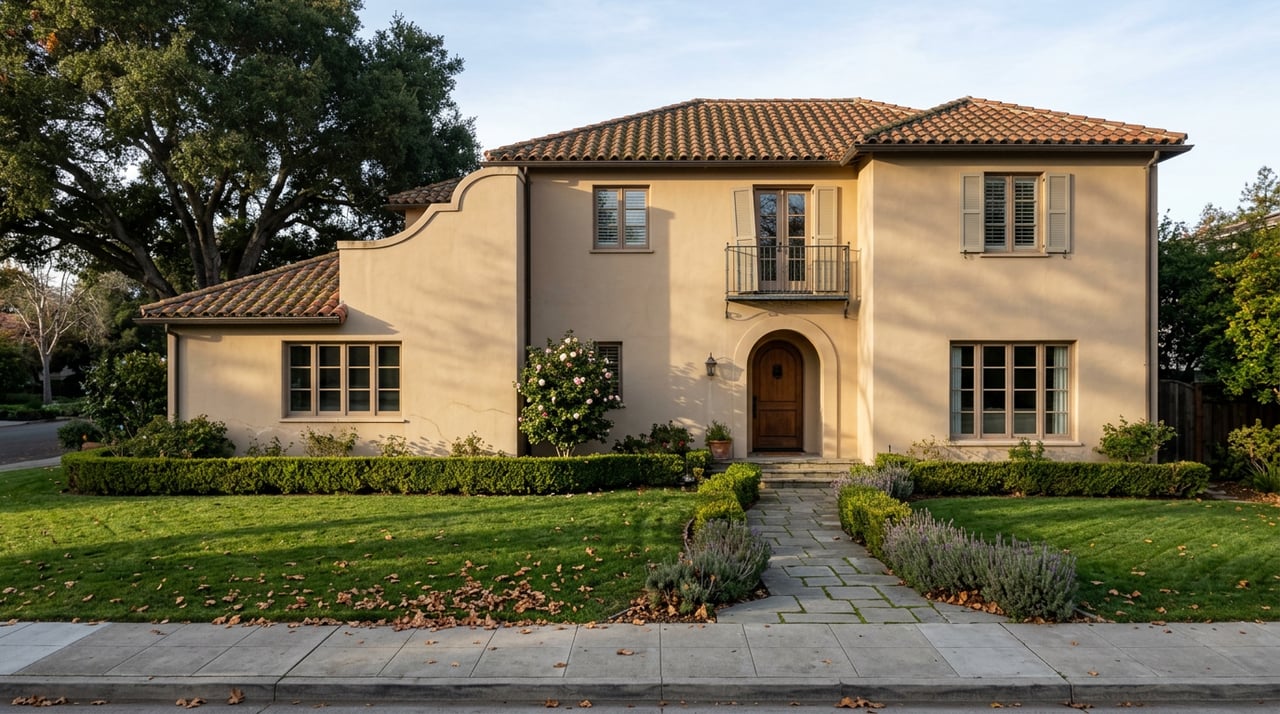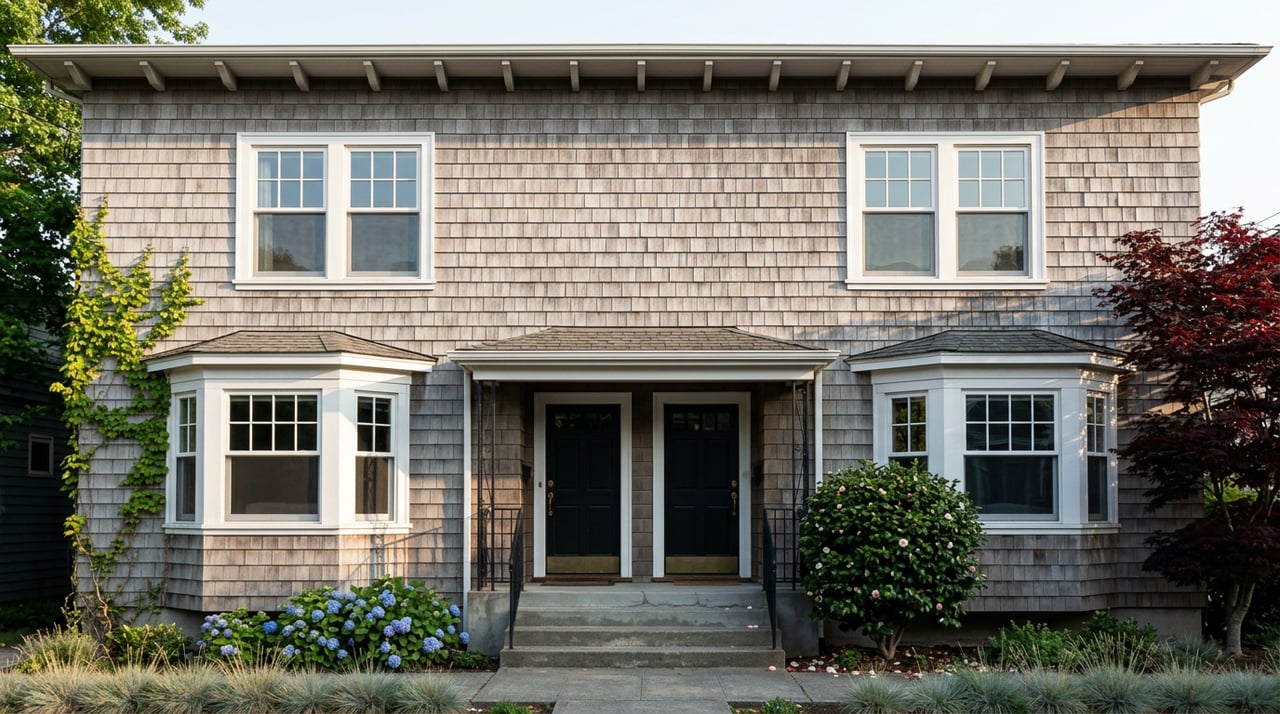
Say you're closing on a duplex in Oakland. You plan to live in the front unit. The back unit has a tenant who's been there for years. Somewhere in your research you read that owner-occupied duplexes and triplexes in Oakland are exempt from rent control, and you file that away as good news: no rent caps, no red tape, straightforward ownership. This isn't a rare setup either. Oakland's 2025-2029 Consolidated Plan counts 30,460 units in 2-to-4 unit buildings, about 18 percent of the city's 171,755 total housing units, so this exact purchase happens constantly.
Here's what that summary leaves out. Oakland actually runs two separate ordinances that both use the phrase "owner-occupied," and they no longer agree with each other. One exemption is still on the books. The other was repealed by voters eight years ago. If you're buying a small multifamily property to live in, the gap between those two facts is where the expensive surprises live.
The Rent Cap Exemption Is Real, But It Isn't Automatic at Closing
Oakland's Rent Adjustment Ordinance, the chapter that caps how much a landlord can raise rent each year, does still carve out an exemption for owner-occupied properties of three units or fewer. That part of the story people tell you is accurate. What most summaries skip is the condition written into the current code: the exemption only applies once the owner of record has occupied one of the units continuously as a principal residence for at least one year. The first rent increase that escapes the cap can't be noticed until that year has passed.
That means the exemption doesn't transfer with the deed. It vests. If you buy a covered duplex and move in the day escrow closes, you are not automatically operating outside the rent cap. You're the new owner of record, and the clock on your qualifying occupancy starts over. For a full year, if the building would otherwise be subject to Oakland's Rent Adjustment Ordinance based on its construction date, you're effectively bound by the same annual cap a purely investor-owned building would face.
The Eviction Exemption Was Removed in 2018, and It Doesn't Come Back
The second ordinance is where the bigger surprise sits. Oakland's Just Cause for Eviction Ordinance used to carry a parallel exemption for owner-occupied duplexes and triplexes: if you lived in the building, you could end another unit's tenancy more or less like any other landlord-tenant relationship outside rent control. Oakland voters removed that exemption on November 6, 2018, when they passed Measure Y. Since then, an owner-occupied duplex or triplex has been treated the same as any other covered rental property when it comes to ending a tenancy. You need a legally recognized just cause, full stop, regardless of whether you live on the property.
The rent cap exemption and the eviction exemption used to be a package deal. They aren't anymore.
| Rent Adjustment Ordinance (rent cap) | Just Cause for Eviction Ordinance | |
|---|---|---|
| Owner-occupied duplex/triplex exemption | Still exists, conditioned on one year of continuous owner occupancy | Repealed for these properties by Measure Y (2018) |
| What that means for a new buyer | No uncapped rent increase until you've occupied for a year | Just cause required to end any tenancy, starting immediately |
| Governing measure | Original 1980 Rent Adjustment Program, current code | Measure Y, November 6, 2018 |
What Ending a Tenancy Actually Costs
Wanting the second unit back, whether to live in it yourself, put a family member there, or take the building through a substantial remodel, has to fit one of the ordinance's enumerated grounds. Most of those reasons are no-fault: the tenant hasn't done anything wrong, you simply have a legitimate need for the unit. Oakland treats no-fault terminations as displacement, and displacement comes with a mandatory relocation payment.
Oakland recalculates these amounts every July 1. For the cycle that ran from July 1, 2025 through June 30, 2026, the base relocation amounts were $8,106.68 per studio or one-bedroom unit, $9,977.45 per two-bedroom unit, and $12,315.92 per unit with three or more bedrooms, plus another $2,500 per unit if the household includes a tenant who is low-income, elderly, disabled, or has minor children. A new cycle with updated figures took effect July 1, 2026. Whatever the current number is by the time you're serving a notice, confirm it directly with the Rent Adjustment Program rather than working from last year's schedule.
The timing is just as unforgiving as the amount. Half the payment is due within fifteen calendar days of serving the termination notice. The other half is due within fifteen calendar days of the tenant actually vacating. Miss either window and the tenant has grounds to challenge the entire eviction, not just the payment.
Buying a duplex assuming you can free up the second unit whenever your plans change is really buying a duplex with a five-figure, time-boxed bill attached to that plan. Price it in before you write the offer, not after you serve the notice.
A Rule That Can Undo a Rent Increase You're Otherwise Allowed to Make
Even in the year your rent-cap exemption has vested and you're free to raise rent without a percentage ceiling, Oakland added a separate trap in April 2025. As of that month, every rent increase notice in the city must be accompanied by a current Oakland business tax certificate. A missing certificate voids the notice, regardless of whether the unit is subject to the rent cap at all.
This is the detail that trips up owner-occupants specifically, because they're the ones most likely to assume the business side doesn't apply to them. You're not running an apartment complex, you're living in half your own building. Oakland doesn't distinguish. If you intend to raise rent on the other unit at any point, get the business tax certificate current first. It's a small administrative step that can unwind an otherwise legal increase if skipped.
New Construction Has Its Own Countdown, Independent of You
If the duplex or triplex you're looking at was built more recently, there's a third layer worth knowing before you buy. Measure V, passed by Oakland voters in 2022, extended just-cause coverage to residential units built after December 31, 1995, with an exception for ground-up new construction that keeps its exemption for the first ten years after receiving a certificate of occupancy.
That exemption clock runs on the building, not the owner. If you buy a duplex built in 2019, its new-construction exemption from just cause expires in 2029 regardless of when you took title or how long you've lived there. A property that looks exempt from eviction rules at closing may not stay that way for the length of a typical hold.
An exemption tied to a calendar date outlives the person who bought under it. Know which clock you're actually watching before you build a five- or ten-year plan around it.
Before You Write the Offer
A few questions worth answering during diligence, not after closing:
- What is the certificate of occupancy date, and does it put the property inside or approaching the end of Measure V's ten-year new-construction window?
- Has the current owner already been occupying the property for a full year, and if so, does the listing agent have documentation? (Your own clock still starts fresh at closing, but it tells you how the seller has been operating rent-wise.)
- Is the current tenant in the other unit month-to-month or under a lease, and how long have they lived there? Longer tenancies generally mean higher relocation costs if a no-fault termination ever becomes necessary.
- Is the seller's Oakland business tax certificate current, and will you need to open your own upon taking title?
None of this is legal advice, and the numbers above change on their own schedule. The Rent Adjustment Program's office can confirm a specific unit's current coverage status before you commit to a plan that assumes otherwise.
A Few Questions That Come Up Often
Does the one-year occupancy clock restart every time the property changes hands? Yes. The exemption is tied to the "owner of record" occupying continuously for at least a year. A new deed means a new owner of record, and a new clock.
If I never plan to raise rent above what the current cap would allow anyway, does any of this matter? The rent cap side, maybe not. The eviction side still does. Just cause and relocation requirements apply regardless of whether you ever intend to touch the rent.
Is a single-family home with an ADU treated the same way as a duplex? Not necessarily. The ordinances define covered unit types with their own criteria, and ADU treatment has its own rules separate from the duplex and triplex exemption discussed here. Confirm the specific configuration with the Rent Adjustment Program before assuming either exemption applies.
If you're weighing a small multifamily purchase in Oakland and want to talk through how a specific property's occupancy history, construction date, and tenancy situation actually pencil out, Pirnia Homes can walk through the numbers with you before you write an offer, not after you're already holding one.