Thinking about buying a fixer in Albany? You are not alone. In a high-cost market, an older home that needs work can look like a smart path to getting into the neighborhood, but the renovation realities here are very specific. If you are weighing charm, budget, permits, and resale, this guide will help you understand what to expect before you buy. Let’s dive in.
What a fixer means in Albany
In Albany, a fixer often means an older, compact early-20th-century house, not a wide-open blank slate. According to the City of Albany’s General Plan, roughly 2,000 single-family homes are at least 85 years old, and about 1,500 were built by Charles Manning MacGregor in the 1920s and 1930s.
That matters because many of these homes started small. The city’s design guidance notes that many MacGregor homes were originally around 800 square feet and often configured as 2-bedroom, 1-bath houses. You may be buying character and location, but you are also buying into the limits and opportunities of an older footprint.
Albany’s residential design guidelines also make it clear that remodels are expected to respect original architectural elements. That does not mean you cannot update a home. It does mean that the best renovations in Albany usually feel integrated, not imposed.
Why lot size changes the math
Albany’s neighborhoods were largely subdivided into relatively small rectangular lots, according to the city’s General Plan. On a practical level, that can affect how much you can expand, where parking fits, and how exterior changes read from the street.
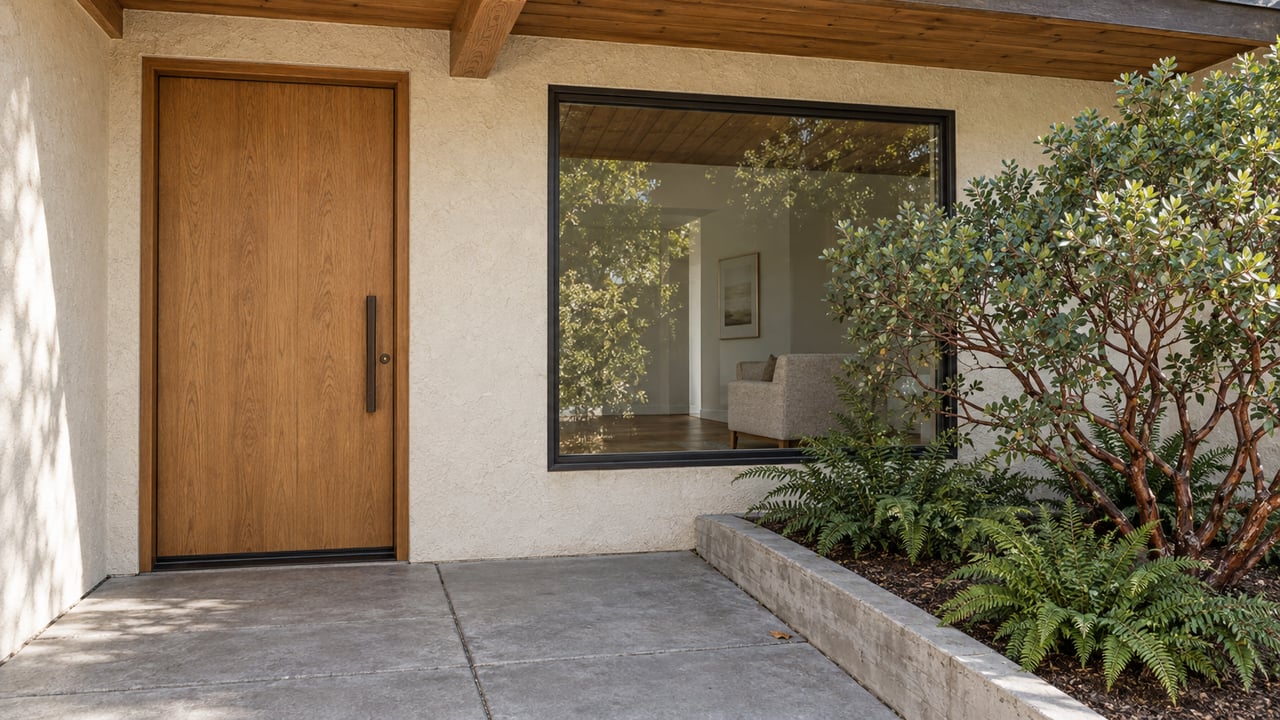
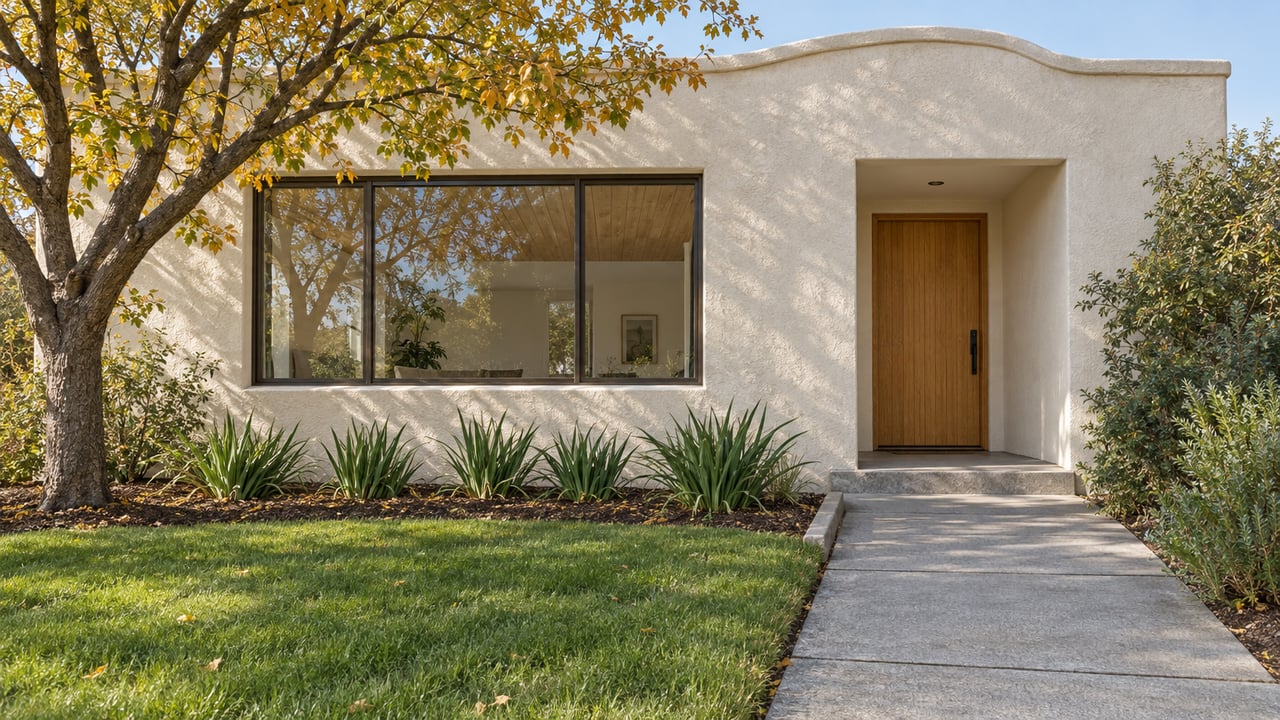
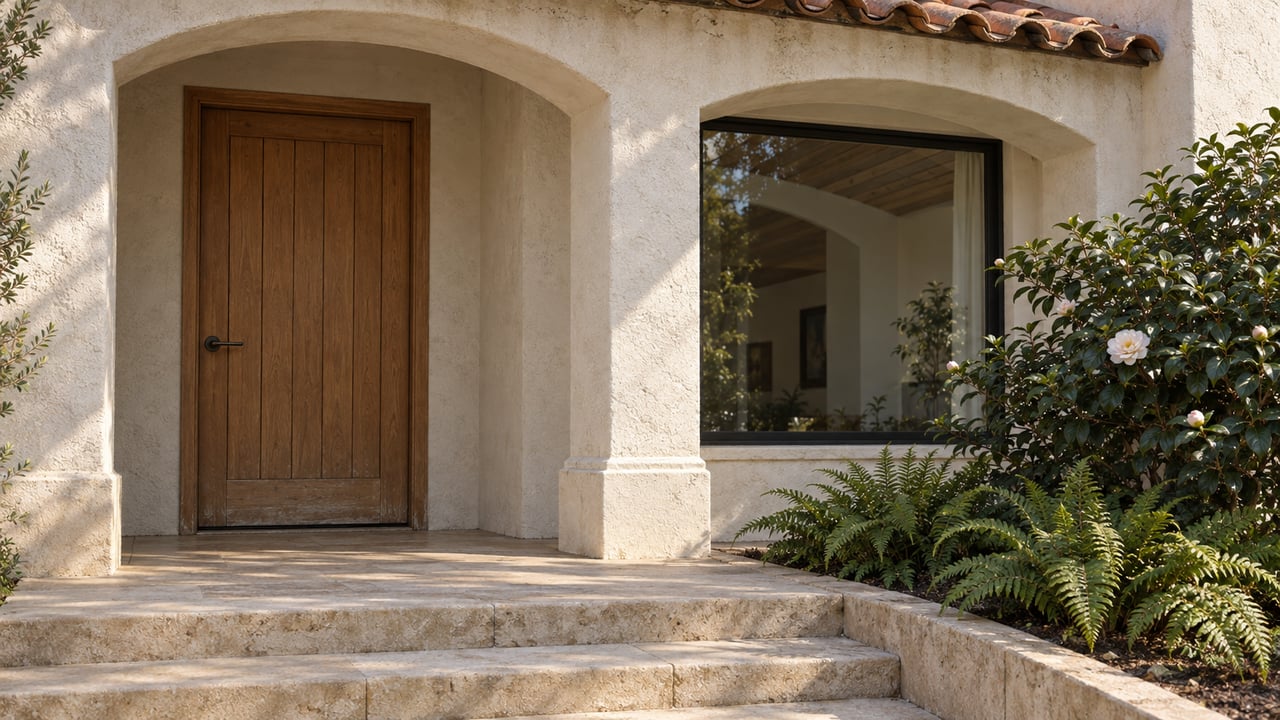
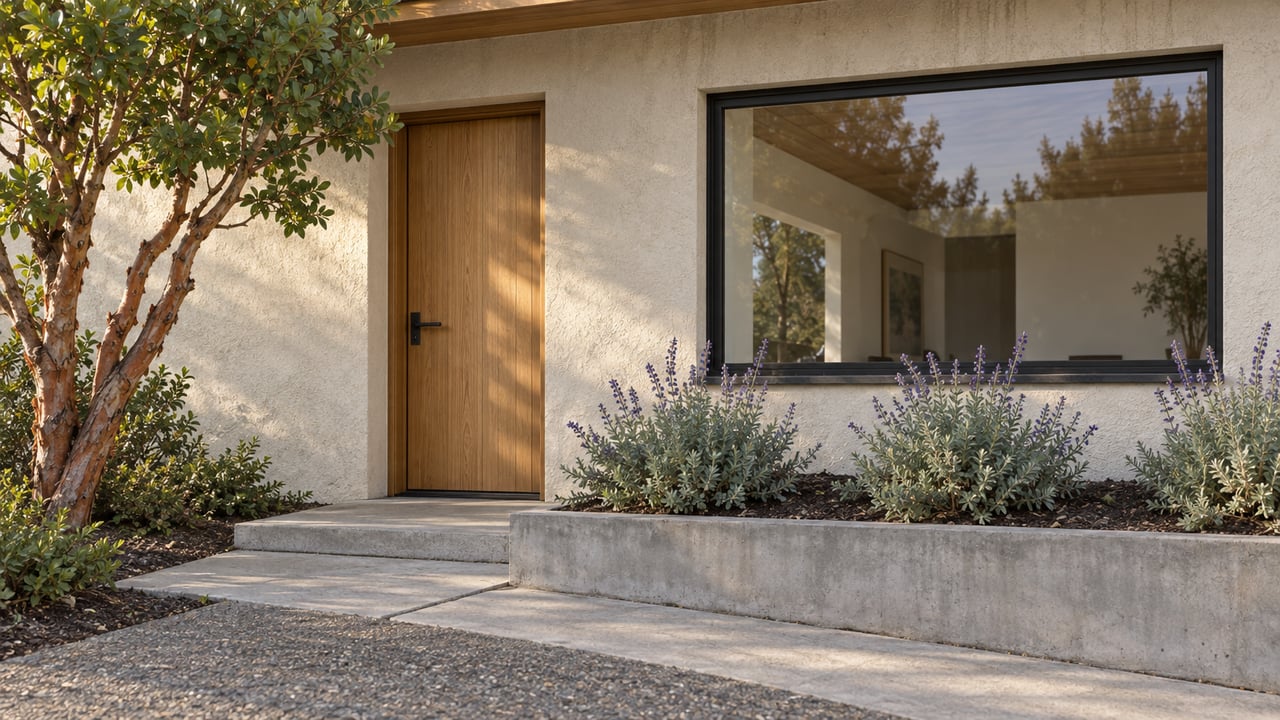
For buyers, this is where fixer math gets more nuanced. A house may seem like it has easy expansion potential, but small-lot conditions can make additions, garages, and entry changes more complex than they first appear. In Albany, curb appeal and street-facing design often carry extra weight because the lots are tight and the homes sit in close visual relationship to one another.
The biggest risks before you buy
A fixer can be a great opportunity, but older homes come with hidden conditions that deserve careful review before you commit.
Lead-based paint in older Albany homes
If the home was built before 1978, lead-based paint is a real possibility. The EPA says buyers of most pre-1978 homes have a right to lead disclosure before signing, and the agency advises either assuming lead is present or hiring a certified professional to test.
The odds are higher in much older housing. The EPA says 87% of homes built before 1940 contain some lead-based paint. Given Albany’s age profile, that is a risk you should take seriously during due diligence.
Asbestos in older materials
Asbestos is another common issue in older homes. California’s asbestos fact sheet notes that older building materials may contain asbestos, including insulation, vinyl flooring, ceiling texture, siding, roofing, and cement products.
This is not just a budgeting issue. It can affect how work is performed, who can do it, and how much demolition really costs. The state also advises against DIY work on older homes that may contain asbestos.
Seismic upgrades matter here
In the East Bay, seismic concerns are not optional background noise. Albany’s Soft Story Retrofit Program states that the Bay Area has a 70% chance of a major earthquake in the next 20 years and notes that Albany is about a mile from the Hayward Fault.
For older houses, seismic improvements can include bolting the home to the foundation, bracing cripple walls, and strengthening vulnerable chimneys. If you are comparing two fixers, one home’s hidden structural needs may have a bigger financial impact than another home’s dated kitchen.
Creek overlays and added review
Some properties near Cerrito Creek or Codornices Creek may face extra design review. Albany asks applicants to confirm whether a property is within the Watercourse Overlay District before finalizing project design.
This does not mean a project cannot move forward. It does mean site-specific review can affect timelines, plans, and consultant needs.
Multifamily fixers have a different rulebook
If you are considering a small multifamily property, Albany’s soft-story rules deserve close attention. The city requires screening and retrofit work for certain buildings that were built, permitted, or designed before 1981, have 3 or more dwelling units, and include a wood-frame target story, as explained in the city’s retrofit program overview.
For buyer-investors, this is a major line item to evaluate early. A multifamily fixer may look appealing on price, but the compliance path can be very different from a single-family project.
Permits in Albany: simpler than some buyers expect, stricter in key areas
One of the most useful things to know is that Albany does allow electronic permit submittals. Some smaller residential projects with minor or no structural changes can often be issued in 1 to 2 business days.
The city lists furnace replacements, water heater replacements, electrical panel upgrades, and siding repair or replacement as examples of over-the-counter work. That can be encouraging if your plan is targeted and practical.
But larger projects are a different story. Albany’s submittal checklist for additions and new construction includes structural plans, mechanical, plumbing, and electrical plans, Title 24 energy calculations, green building worksheets, drainage plans, and fire-safety review.
In other words, once you move beyond cosmetic improvements, the process gets more layered. If your fixer strategy depends on a major addition or a second story, you should underwrite time and soft costs carefully.
Small exterior changes can trigger review
This is one of the easiest things for buyers to underestimate. In Albany, some projects that feel cosmetic can still involve planning review when they affect the exterior.
For example, the city notes that replacement windows require Planning approval, and local guidance emphasizes compatibility, privacy, and architectural context, as referenced in the city’s residential submittal materials. If you buy a fixer assuming you can quickly swap exterior elements without review, you may run into delays.
Who can pull permits and do the work
Albany is clear about the compliance chain. Contractors and trades pulling permits must have an active Albany business license, and contractors must be state-licensed, according to the city’s business license requirements.
Owners can act as owner-builders and pull permits themselves, but the work still needs permits and inspections. That distinction matters if you are trying to save money by self-managing. Cost control is possible, but skipping the formal process is not a safe shortcut.
The smartest renovation sequence
When you buy a fixer in Albany, the order of work matters almost as much as the scope.
A practical sequence looks like this:
- Confirm hidden conditions like lead, asbestos, structural issues, and site constraints.
- Address life-safety and code items such as seismic concerns and major system deficiencies.
- Protect the building envelope with roofing, siding, drainage, windows, and related exterior work.
- Upgrade systems and efficiency where it makes sense.
- Finish with cosmetic improvements like kitchens, baths, flooring, and paint.
This approach lines up with the realities reflected in city and state guidance. It also helps you avoid the classic fixer mistake of spending heavily on finishes before resolving what is behind the walls or under the house.
Energy upgrades may improve the budget picture
If your renovation includes mechanical updates, Albany offers rebates for heat pump water heaters, heat pump HVAC systems, and some electric panel upgrades when paired with eligible work. Projects must be in Albany, receive a building permit, and apply for the rebate within four months of permit issuance.
That will not transform the economics of a whole-house renovation, but it can help when you are replacing aging systems anyway. For buyers planning a thoughtful, phased update, incentives like these are worth factoring in early.
What tends to help resale most
Not every renovation dollar comes back equally. According to the 2025 Cost vs. Value Report, exterior replacement projects led the rankings nationally, including garage door replacement, steel door replacement, manufactured stone veneer, fiber-cement siding replacement, and minor kitchen remodels.
That pattern is especially relevant in Albany because it is already a high-price market. Redfin’s Albany housing market data reported a February 2026 median sale price of $1.557 million, while Zillow reported an average home value of $1.224 million as of February 28, 2026.
In markets like this, over-improvement is a real risk. The better strategy is often to remove obvious defects, improve flow and function, and elevate the exterior and entry before spending heavily on highly personalized luxury finishes.
ADU potential can affect value
For some buyers, the upside in a fixer is not just the main house. Albany’s design guidelines note that many ADUs are used as rental units and that an ADU permit is required through the Planning Department.
That does not mean every lot will support an ADU in a practical or cost-effective way. But if the site and zoning align, ADU potential can change the value conversation for a buyer who is thinking long term.
How to evaluate an Albany fixer realistically
Before you fall in love with charm alone, it helps to evaluate the home through three lenses:
1. House basics
Look at age, size, layout, foundation, roofline, and whether the home’s existing form lends itself to practical improvement. A compact house can be a great project, but only if the expansion path makes sense.
2. Regulatory path
Consider whether your wish list involves simple permits, planning review, creek overlays, or larger plan check requirements. In Albany, the approval path can reshape both budget and timeline.
3. Resale discipline
Ask whether the planned improvements will make the home more functional, more appealing from the street, and better aligned with the local housing stock. The strongest outcomes here usually come from thoughtful updates that respect the home’s scale and style.
The bottom line on buying a fixer in Albany
A fixer in Albany can absolutely be a smart purchase, but it works best when you go in with a clear understanding of what older East Bay housing really requires. You are often buying age, character, compact proportions, and local design constraints all at once.
That is why the best opportunities are usually not the ones with the flashiest before-and-after vision. They are the ones where the structure, permit path, and resale strategy line up in a way that makes the numbers and the lifestyle make sense.
If you are considering a fixer in Albany and want a grounded read on value, renovation potential, and likely buyer competition, Portia Pirnia can help you assess the opportunity with a practical, design-aware lens.
FAQs
What does a fixer usually look like in Albany, CA?
- In Albany, a fixer is often an older early-20th-century single-family home with a compact footprint, not a teardown-ready property with unlimited expansion potential.
What renovation risks should buyers check in older Albany homes?
- Buyers should look closely at lead-based paint, asbestos in older materials, seismic retrofit needs, and any site-specific review issues such as creek overlay requirements.
Do Albany fixer homes need permits for cosmetic updates?
- Some smaller projects can be approved quickly, but exterior changes such as replacement windows may require Planning approval, so even cosmetic work can trigger review.
Are seismic retrofits important for Albany fixer properties?
- Yes. Albany is near the Hayward Fault, and older homes may need upgrades like foundation bolting, cripple wall bracing, or chimney reinforcement.
Which renovations tend to support resale value in Albany?
- Exterior improvements, curb appeal work, and practical function upgrades often support resale better than highly customized luxury finishes, especially in a high-price market like Albany.
Can an ADU add value to a fixer in Albany?
- It can, if the lot and planning conditions support it. Albany requires an ADU permit through the Planning Department, so feasibility should be reviewed early.