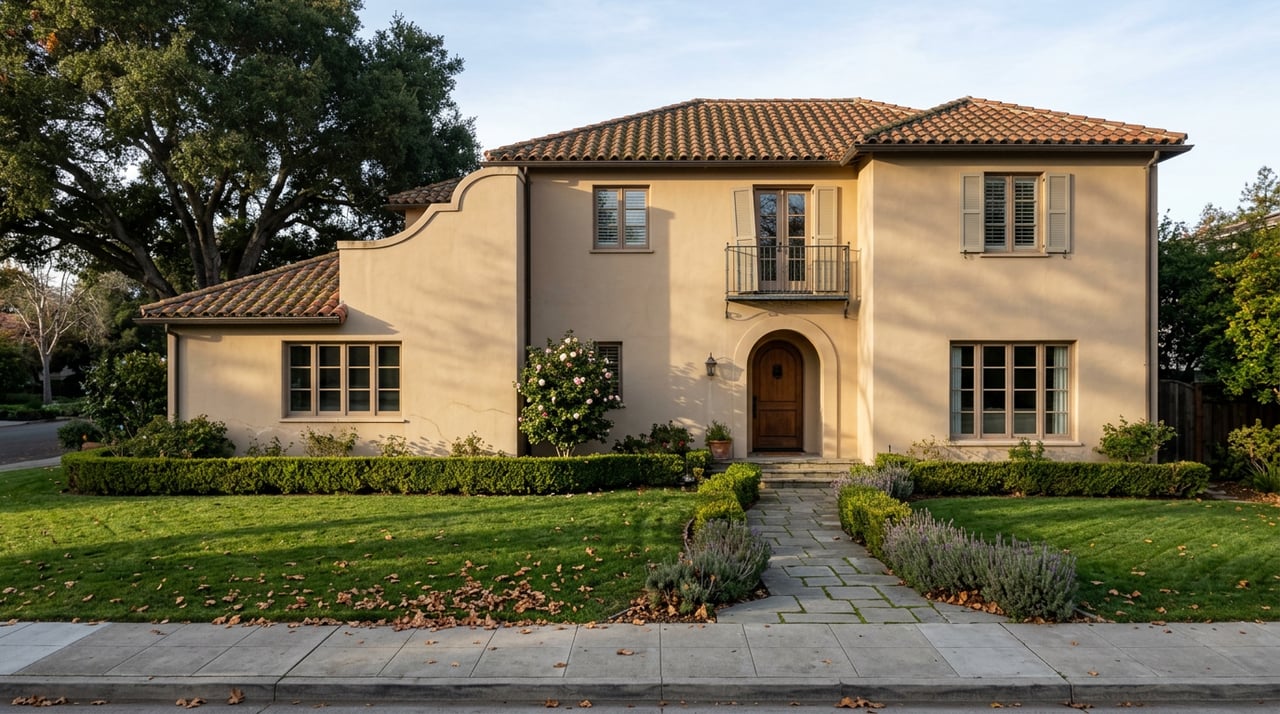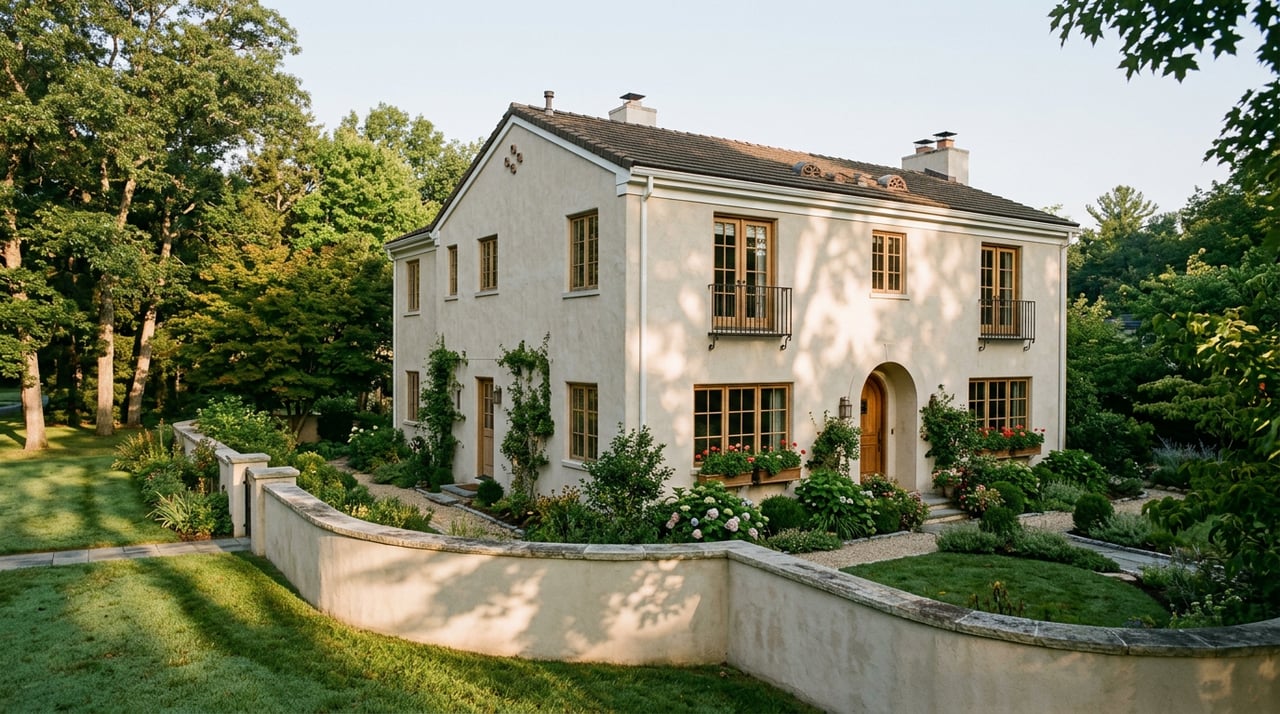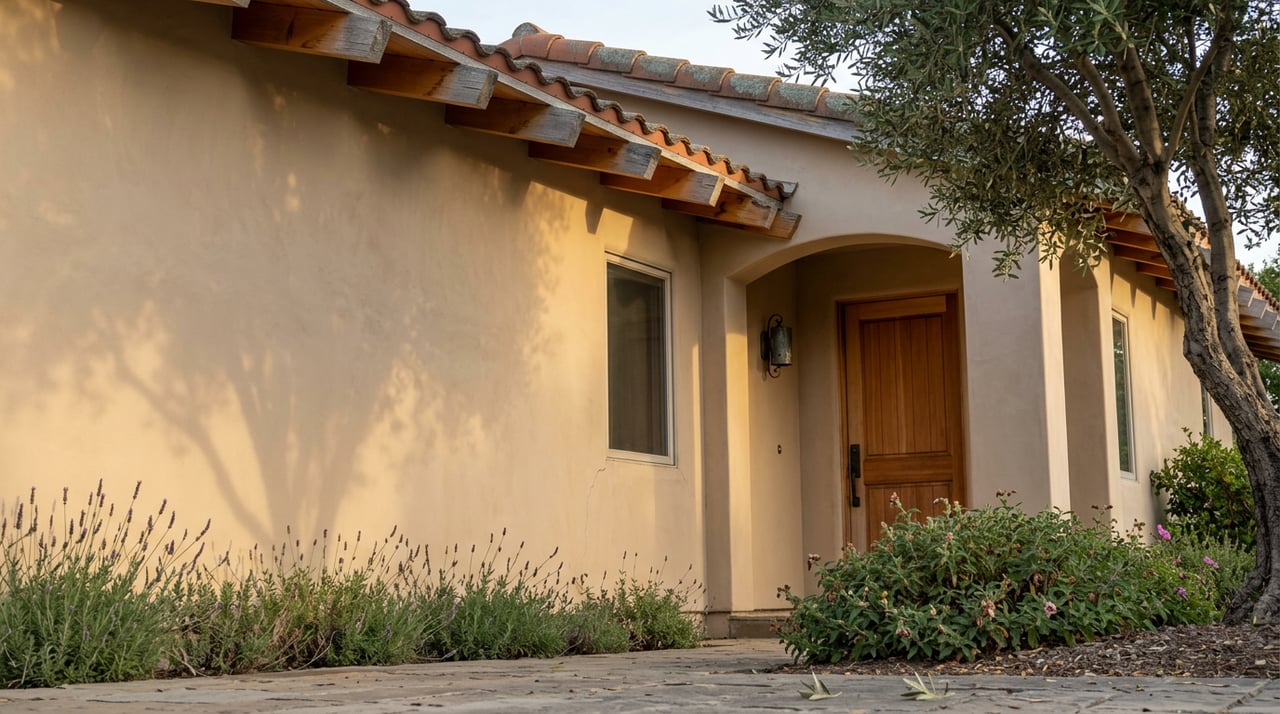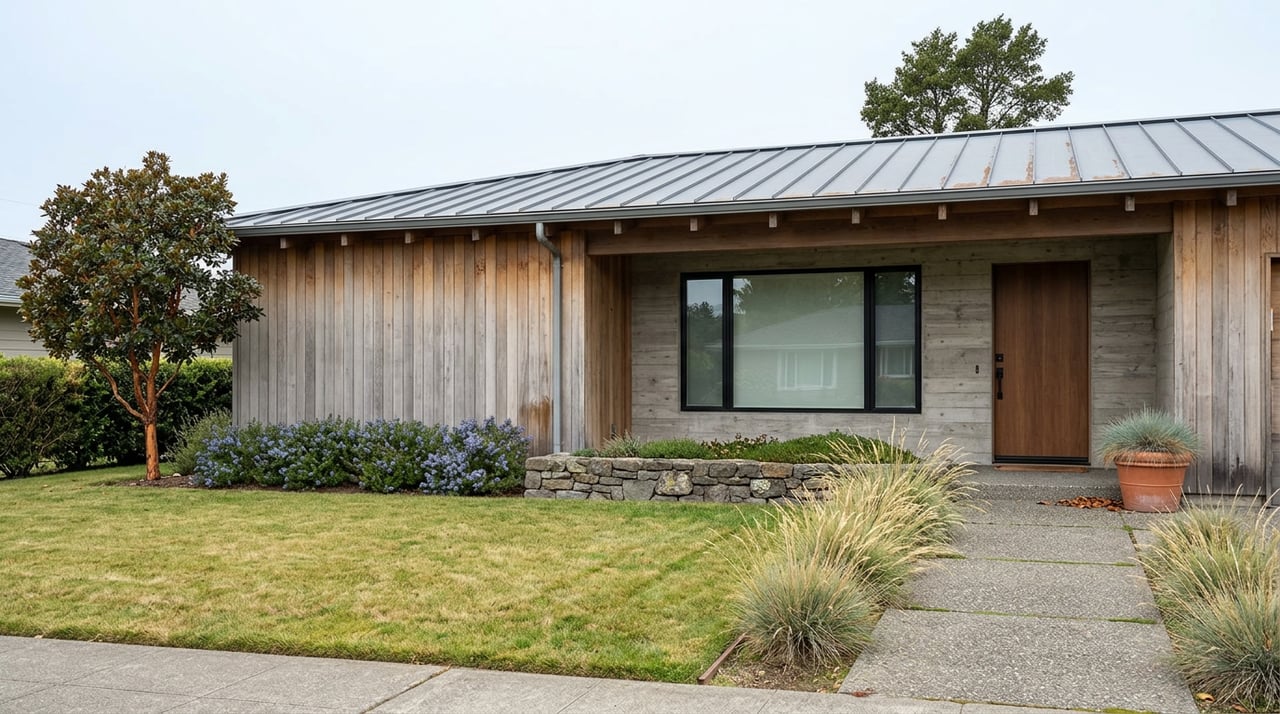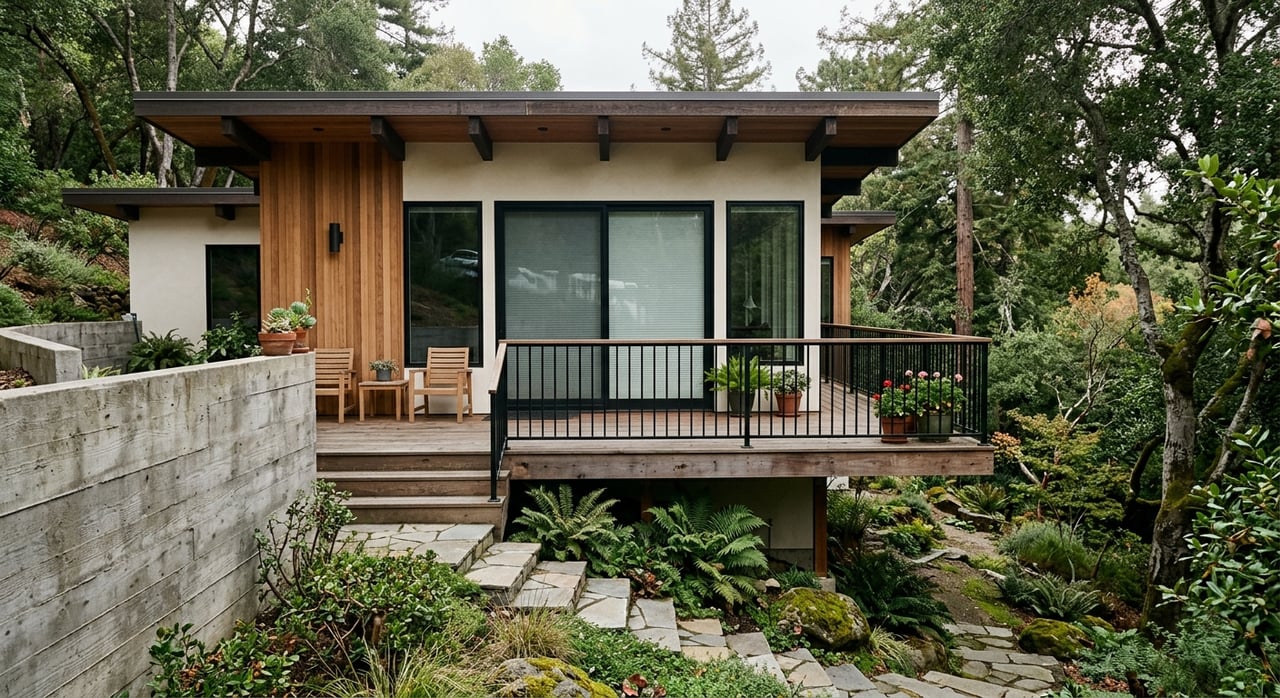
Choosing between the Oakland Hills and Berkeley Hills is not just about square footage or style. It is about how you want your daily life to feel, how you plan to move through the East Bay, and what kind of hillside living fits you best. If you are weighing both areas for your next home, this guide will help you compare access, housing patterns, lifestyle, and wildfire readiness so you can narrow the search with more confidence. Let’s dive in.
How the two hillside markets compare
Both the Oakland Hills and Berkeley Hills offer the core appeal that draws buyers uphill in the first place: elevated settings, mature vegetation, winding roads, and the possibility of sweeping views. They also share practical realities, including narrower streets, more complex terrain, and a stronger need to think about wildfire planning than you might in flatter neighborhoods.
Where they begin to differ is in how connected or secluded they feel. Based on BART station locations, city corridor maps, park systems, and hillside safety rules, Berkeley Hills generally feels more village- and transit-adjacent, while Oakland Hills often feels more wooded, car-oriented, and removed from the flatter commercial core.
Berkeley Hills at a glance
Berkeley Hills is still largely defined by single-family housing. Berkeley states that much of the city, especially the hills, is developed with single-family homes, and city materials continue to describe hillside areas as predominantly residential with mature landscaping and a range of hillside architectural styles.
For many buyers, the appeal is the blend of residential calm and access to neighborhood corridors below. Berkeley identifies North Shattuck, Solano, and College Avenue as priority commercial and transit corridors, and relevant BART access points include North Berkeley, Downtown Berkeley, and Ashby depending on where you live and where you are headed.
That tends to create a lifestyle where parks, errands, coffee, and transit may feel more integrated into everyday routines. It is still hillside living, but often with a stronger sense of connection to nearby commercial districts.
Housing feel in Berkeley Hills
Berkeley’s 2025 Middle Housing rules apply to most residential areas, but not to Berkeley Hills high fire hazard areas. In practical terms, that suggests the hills are likely to remain more single-family-dominant than lower Berkeley neighborhoods where duplexes, triplexes, fourplexes, and courtyard apartments are increasingly allowed.
If you are searching for a classic hillside home with mature landscaping and a primarily residential setting, that can be a meaningful advantage. It may also matter if you are thinking long term about neighborhood character and the pace of housing change around you.
Daily life in Berkeley Hills
Berkeley Hills often balances nature with neighborhood convenience. The city’s park system includes hill favorites such as Indian Rock, Codornices, Great Stoneface, and Remillard, while nearby retail corridors offer a mix of local-serving businesses and everyday needs.
For buyers who want a hillside setting without feeling too cut off, Berkeley Hills often reads as the more connected choice. That is especially true if access to transit or nearby commercial corridors is high on your list.
Oakland Hills at a glance
Oakland Hills offers a different kind of hillside experience. Oakland’s hillside residential zones are intended to maintain areas primarily characterized by detached, single-unit structures on hillside lots, which supports the area’s strongly single-family identity.
The feeling here is often greener, quieter, and more forest-oriented. Oakland Hills living is closely tied to larger natural spaces, including Joaquin Miller Park with its 500 acres, redwood groves, and multi-use trails, along with nearby Redwood Regional Park over the ridge.
For many buyers, that deeper greenbelt feel is the draw. If you want your home search to prioritize seclusion, trail access, and a stronger sense of retreat, Oakland Hills may feel like the better fit.
Housing feel in Oakland Hills
Oakland’s permitting rules for single-family homes require design review and a building permit, and the city also allows ADUs on many residential lots, including detached ADUs, though restrictions apply in high-fire-risk areas. In everyday buyer terms, that usually means a largely single-family market with occasional accessory-unit or selective infill potential.
That can appeal to buyers who want flexibility, especially if you are considering guest space, a home office setup, or future multigenerational use. At the same time, hillside rules and fire-area conditions make due diligence especially important before assuming what a property can support.
Daily life in Oakland Hills
Oakland Hills tends to feel more car-oriented than Berkeley Hills. Commuters often rely on Rockridge or MacArthur BART, both below the hills, so many trips are likely to involve driving or taking a bus to the station rather than walking there.
Daily errands may also center on village-style nodes such as Montclair’s business district rather than a tighter network of transit-linked corridors. If you are comfortable driving more in exchange for a more wooded setting, this tradeoff may feel worthwhile.
Commute and access matter more than you think
When buyers compare these two areas, lifestyle often comes down to how you want to move through your week. A beautiful hillside home can feel very different depending on whether you value easy station access, quick errands, or a stronger sense of separation from the flatter city grid.
Berkeley has especially relevant hill access through North Berkeley and Downtown Berkeley BART, with Ashby also serving southern Berkeley. Oakland Hills commuters more often depend on stations below the hills, including Rockridge and MacArthur.
Neither area is defined by easy, flat access. In both cities, narrow streets and parking constraints are recurring issues. Oakland created an emergency-access parking project because parked cars can block narrow streets, and Berkeley also instructs drivers to observe no-parking signs in the hills.
Wildfire readiness should shape your decision
For hillside buyers, wildfire planning is not a side issue. It should be part of how you evaluate location, home maintenance, access, and your comfort with ongoing responsibilities.
Oakland describes Oakland Hills wildfire conditions as hot and dry in fall, windy, steep, densely vegetated, and harder for emergency responders to access. The city also reports much higher tree canopy in the hills than in lower neighborhoods, which adds beauty but can also increase the need for regular vegetation management.
Berkeley notes that its climate is shaped by bay-side marine fog, but city planning documents also say the Berkeley Hills can be hotter at night than the rest of the city. Berkeley warns that low humidity and strong winds create the most dangerous fire weather, and the city identifies its eastern edge near wildlands as the primary wildfire entry threat into Berkeley.
What this means for buyers
In both areas, you should expect wildfire readiness to be part of ownership. That includes defensible-space upkeep, home hardening, and evacuation planning.
Oakland inspects around 26,000 parcels annually in the WUI Fire Area. Berkeley offers hill-specific chipping and vegetation-debris-bin services and has been updating maps for its highest wildfire risk areas.
If you are comparing one home in the Berkeley Hills with another in the Oakland Hills, it helps to look beyond finishes and views. Pay close attention to slope, vegetation, road width, parking limitations, and the practical steps required to maintain the property over time.
Which area fits your lifestyle best?
The right answer depends less on which area is objectively better and more on which one matches your priorities.
If you want a hillside setting that still feels tied to neighborhood commercial corridors and transit access, Berkeley Hills may be the stronger match. If you want a more immersed, wooded environment with strong park and trail access and you do not mind relying more on a car, Oakland Hills may suit you better.
Here is a simple way to think about it:
- Choose Berkeley Hills if you value: closer-feeling access to BART, neighborhood corridors like Solano or North Shattuck, and a hillside setting that feels somewhat more connected to daily errands.
- Choose Oakland Hills if you value: a more secluded greenbelt feel, larger park systems nearby, and a home environment that feels more retreat-like.
- Take either option seriously if you are ready for: narrow roads, hillside maintenance, vegetation management, and wildfire planning as part of ownership.
A smart way to narrow your search
When you tour homes in either area, try to evaluate the setting as carefully as the house itself. Two properties with similar price points can live very differently depending on how they relate to the street, transit, parking, and the surrounding landscape.
It helps to ask practical questions early. How often will you need to drive for errands? How easy is guest parking? What kind of vegetation upkeep does the property appear to require? How comfortable are you with the access route in an emergency?
That kind of block-by-block thinking is especially important in the hills. It is also where local guidance can make a real difference, because the tradeoffs are highly specific and often hard to read from photos alone.
If you are deciding between the Oakland Hills and Berkeley Hills, a neighborhood-specific search strategy can save you time and help you focus on homes that truly fit how you live. For tailored guidance on Berkeley and adjacent East Bay hillside markets, connect with Portia Pirnia.
FAQs
What is the main lifestyle difference between Berkeley Hills and Oakland Hills?
- Berkeley Hills often feels more connected to transit and neighborhood commercial corridors, while Oakland Hills often feels more wooded, secluded, and car-oriented.
What kinds of homes are common in Berkeley Hills?
- Berkeley Hills is predominantly residential and largely defined by single-family homes, especially in high fire hazard hillside areas where middle housing rules do not broadly apply.
What kinds of homes are common in Oakland Hills?
- Oakland Hills is largely a single-family market shaped by hillside residential zoning, with some ADU potential on residential lots depending on site conditions and fire-area rules.
How does BART access compare for Berkeley Hills and Oakland Hills buyers?
- Berkeley Hills has more direct relevance to stations such as North Berkeley, Downtown Berkeley, and Ashby, while Oakland Hills buyers often rely on stations below the hills like Rockridge or MacArthur.
What wildfire issues should buyers consider in Oakland Hills and Berkeley Hills?
- Buyers in both areas should plan for defensible-space upkeep, vegetation management, home hardening, and evacuation planning because both hillside markets face elevated wildfire concerns.
Are parking and narrow roads a concern in Berkeley Hills and Oakland Hills?
- Yes. Both cities identify narrow streets and parking constraints as important hillside issues, especially because blocked roadways can affect access and safety.
Which area is better for buyers who want parks and trails near home?
- Both offer strong outdoor access, but Oakland Hills is more closely tied to larger natural spaces like Joaquin Miller Park and nearby Redwood Regional Park, while Berkeley Hills pairs smaller hill parks with nearby neighborhood corridors.
How should you compare homes in Berkeley Hills and Oakland Hills?
- Compare not just the home itself, but also the lot, slope, vegetation, parking, access route, and how the location supports your everyday routine.