Trying to decide between a townhome and a house in El Cerrito? You are not alone. Many East Bay buyers are weighing space, maintenance, and monthly costs against walkability and transit access. In this guide, you will see how each option fits local lifestyles, what to budget for, and how to avoid surprises before you write an offer. Let’s dive in.
Townhome vs house: the quick view
- Townhomes often cost less upfront and shift some exterior maintenance to an HOA, but add monthly dues and community rules.
- Single-family houses usually provide more private outdoor space, privacy, and flexibility, but you take on all exterior upkeep and repairs.
- Near BART and along San Pablo Avenue, you will see more attached options and newer infill. Hillside pockets tend to feature larger lots and mostly detached homes.
Price and monthly costs in El Cerrito
As of early 2026, vendor estimates put El Cerrito’s median home values roughly in the low to mid seven figures, with sources ranging from about 1.08 million to 1.27 million. Attached homes like townhomes and condos are often priced below detached homes on average, though there is overlap. Newer, design-forward townhomes can approach or exceed some entry-level single-family homes depending on location and finishes. Always confirm the current median and recent comps through the local MLS when you are ready to buy.
For monthly costs, include more than the mortgage. If you choose a townhome or condo, factor in HOA dues. Nationally, the median HOA fee was about 125 dollars per month in 2024, but local El Cerrito listings show a wide range, roughly 180 to 700 dollars per month depending on amenities and reserves. Add these dues to your mortgage, property taxes, insurance, and utilities to get a true monthly number.
California property taxes are shaped by Proposition 13, which caps the base tax rate at 1 percent of assessed value, plus voter-approved local bonds and assessments. In practice, the effective rate will be higher than 1 percent once local line items are added. Review the Prop 13 overview for context and use Contra Costa County resources to understand due dates and any special assessments. For commute context, the U.S. Census reports El Cerrito’s mean travel time to work at about 33.3 minutes, which helps explain why BART-proximate homes draw strong demand.
- Learn about the Prop 13 framework: California Prop 13 summary
- Check county FAQs and tax details: Contra Costa County FAQ
- See commute time context: U.S. Census QuickFacts for El Cerrito
Maintenance responsibilities
Townhomes and condos in El Cerrito commonly sit within HOAs that manage exterior upkeep, common-area repairs, landscaping, and trash. This can save you weekend hours and smooth out recurring costs, but it comes with monthly dues and rules about changes you can make. Before you buy, ask exactly what the HOA covers and what remains your responsibility, including roof, windows, and exterior systems. The Davis–Stirling materials explain typical HOA insurance expectations and owner rights to review records.
- Understand association insurance norms: Davis–Stirling on HOA insurance
- Know your rights to inspect HOA records: Davis–Stirling membership rights
With single-family detached homes, you control and maintain everything on your lot. That freedom is a plus if you want to customize landscaping or add outdoor features. It also means you budget for roof care, gutters, exterior paint, tree work, drainage, and in hillside areas, retaining walls and erosion management.
Outdoor space and lot layout
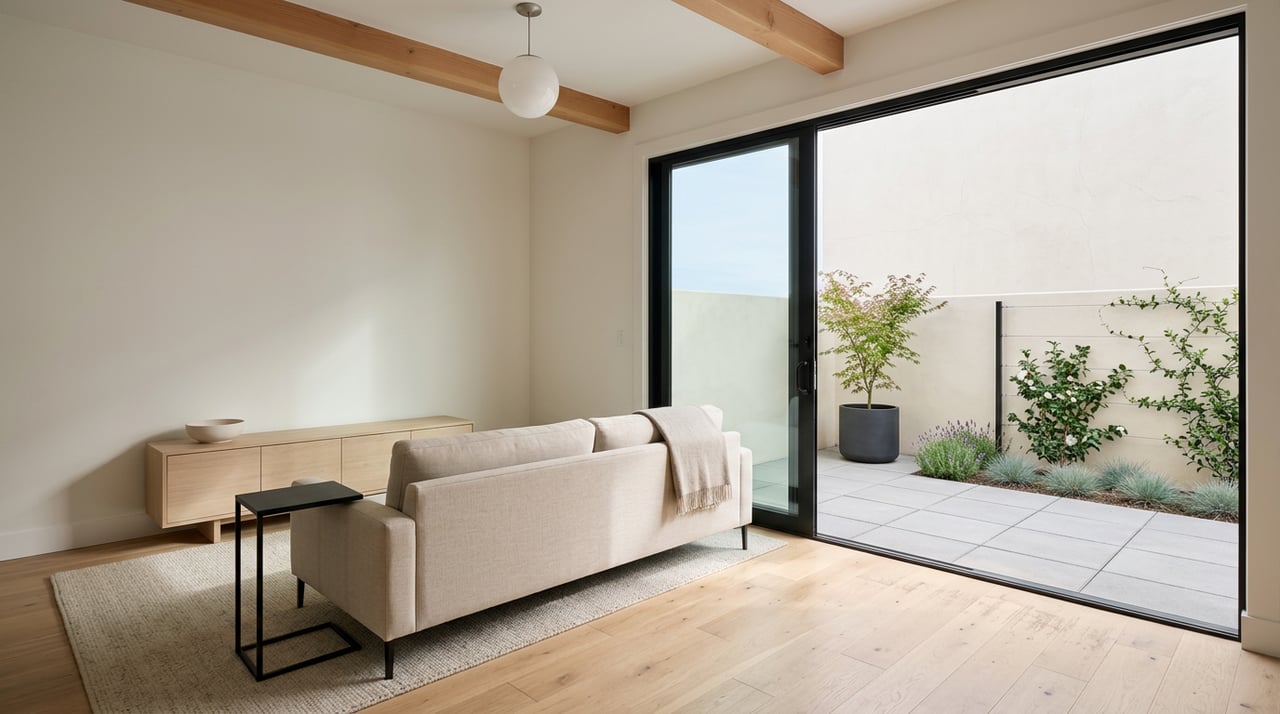
If private outdoor space is high on your list, a detached house usually offers more. Many El Cerrito single-family homes have rear and side yards measured in thousands of square feet, with room for gardens, play space, or future improvements. Townhomes tend to offer a small patio, balcony, or compact yard, plus access to shared open areas. The tradeoff is clear: more space and flexibility with a house, less yard work with a townhome.
Planning future changes? Check city and county permitting and any neighborhood rules before you assume you can build an accessory structure or add hardscaping. Start with local FAQs to understand timelines and approvals.
- Permit and process starting point: Contra Costa County FAQ
Privacy, noise, and flexibility
Attached living means shared walls, closer entries, and sometimes more noise transfer. Even well-built townhomes can transmit sound across floors or between units. HOAs may limit fence heights, screening, exterior paint colors, and window replacements, which keeps the community consistent but narrows personal choices.
Detached homes typically provide more separation and private outdoor space. In El Cerrito, many buyers choose hillside single-family homes for openness and outlook, while others prioritize walkability and accept the closer quarters of attached housing near transit.
Parking and storage
Townhomes usually include one or two garage spaces and sometimes a small storage area. Visitor parking is managed by the HOA. If you want to install an EV charger or add storage racks, check the HOA rules and approval process.
Most single-family homes have private driveways and garages, which make storage and EV upgrades simpler. You can choose your own equipment and timeline without an association review.
Financing and insurance differences
Financing for condos and many townhomes can add an extra step because lenders look at the entire project. FHA, Fannie Mae, and Freddie Mac have eligibility standards around occupancy, litigation, and budgets. FHA’s rules allow for single-unit approvals in some cases, but not all communities will qualify. If you plan to use a low-down-payment loan, talk with your lender early and ask them to review project eligibility before you commit to a property.
- FHA condominium approval background: HUD overview of FHA condo rules
Insurance needs also differ. Most HOAs carry a master policy for common elements and building shells. Unit owners typically buy an HO-6 policy for interiors, personal property, and loss-assessment coverage. With a single-family home, you will carry a standard homeowners policy that covers the entire structure and your lot improvements. Clarify exactly what the HOA’s master policy covers so you do not double-insure or leave gaps.
- HOA insurance scope explained: Davis–Stirling on HOA insurance
Neighborhood context: BART, hills, and walkability
El Cerrito has two BART stations, El Cerrito Plaza and El Cerrito del Norte. The city continues to improve access and the Ohlone Greenway, which supports walkable, higher-density living near these nodes. That is why you will find more attached homes and infill along San Pablo Avenue and within easy reach of the stations. Hillside neighborhoods, by contrast, skew toward larger lots and detached homes with more separation.
- Explore local transit context: El Cerrito transit and BART stations
Due diligence checklists
Use these checklists to see the real differences in time, cost, and risk before you choose.
If you are buying a townhome or condo
- Request the HOA governing documents: CC&Rs, bylaws, and rules. Confirm any limits on renovations, flooring, windows, and exterior changes.
- Ask for the current budget, audited financials, and reserve study. Look for adequate reserves and any history of special assessments.
- Review the last 12 months of board meeting minutes and check for pending litigation or major repairs.
- Obtain the HOA master insurance certificate and verify what you must insure separately, including loss-assessment coverage.
- Confirm lending eligibility. Ask your lender about FHA, VA, or conventional warrantability and whether rental ratios or litigation could affect your loan.
Resources: Davis–Stirling membership rights and Davis–Stirling HOA insurance.
If you are buying a single-family house
- Budget for exterior care: roof, gutters, exterior paint, drainage, tree work, and landscaping. In hillside areas, include retaining walls and erosion control.
- Check for any neighborhood HOA or local assessment that might add to annual costs.
- Verify permitting needs before planning additions or hardscaping. Start here: Contra Costa County FAQ.
For every purchase
- Get a professional home inspection and a thorough title report to uncover easements and any special district taxes.
- Build a full monthly budget that includes mortgage principal and interest, HOA dues if applicable, taxes, insurance, and utilities.
How to decide what fits you
Use these prompts to clarify your priorities:
- Time vs money: Would you rather pay an HOA to handle exteriors or spend time managing your own yard and systems?
- Space vs convenience: Do you want a private yard for gardening or play, or is a small patio plus access to the Ohlone Greenway a better fit?
- Flexibility vs rules: How important is the freedom to add storage, change windows, or install an EV charger without approvals?
- Transit vs privacy: Is walkability to BART and shops a must-have, or do you prefer hillside separation and fewer shared walls?
- Financing plan: Will your loan program be sensitive to condo project eligibility? If so, line up lender guidance early using FHA or conforming standards.
If you are still split, tour both options in the same weekend. Stand in the kitchen, step onto the patio, and listen for ambient noise. The lived experience often makes the answer clear.
Next steps
You deserve a clear, local, and low-stress path to the right home. If you want help comparing specific El Cerrito properties, pressure-testing monthly costs, or reviewing HOA documents, reach out to Portia Pirnia for a focused consult tailored to your goals.
FAQs
Are El Cerrito townhomes usually cheaper than houses?
- Often yes on average, but there is overlap. Newer townhomes can approach or exceed the price of some entry-level single-family homes depending on location and finishes. Always compare current MLS comps.
How much should I budget for HOA dues in El Cerrito?
- Nationally, the median HOA fee was about 125 dollars per month in 2024, while local listings show a wider range, roughly 180 to 700 dollars per month, depending on amenities and reserves.
What does Prop 13 mean for my property taxes in Contra Costa County?
- Prop 13 caps the base rate at 1 percent of assessed value, with additional voter-approved assessments on top, so your effective rate will exceed 1 percent. Review the Prop 13 summary and check Contra Costa County FAQs for details.
Can I use an FHA loan to buy a condo or townhome in El Cerrito?
- Possibly. FHA allows single-unit approvals in certain cases, but the project must meet eligibility standards. Ask your lender to review the community early. See the HUD FHA condo overview for background.
What HOA documents should I review before writing an offer?
- Request CC&Rs, bylaws, rules, current budget, audited financials, the reserve study, recent meeting minutes, and the master insurance policy. Owners have inspection rights under Davis–Stirling.
Is living near BART worth the trade-offs in space and privacy?
- If you value transit access and shorter commute time, living near El Cerrito Plaza or Del Norte can be a strong fit. Expect more attached options near stations and more detached homes on the hills. Learn about local transit context on the El Cerrito transit page.