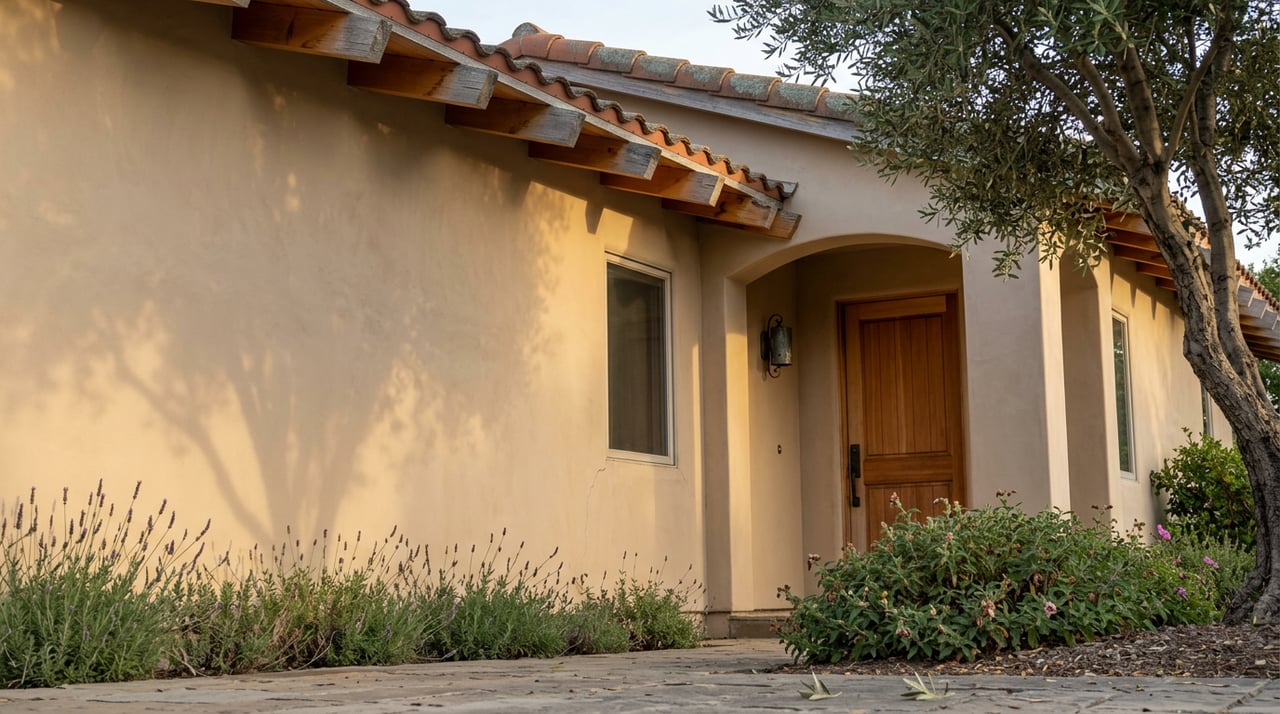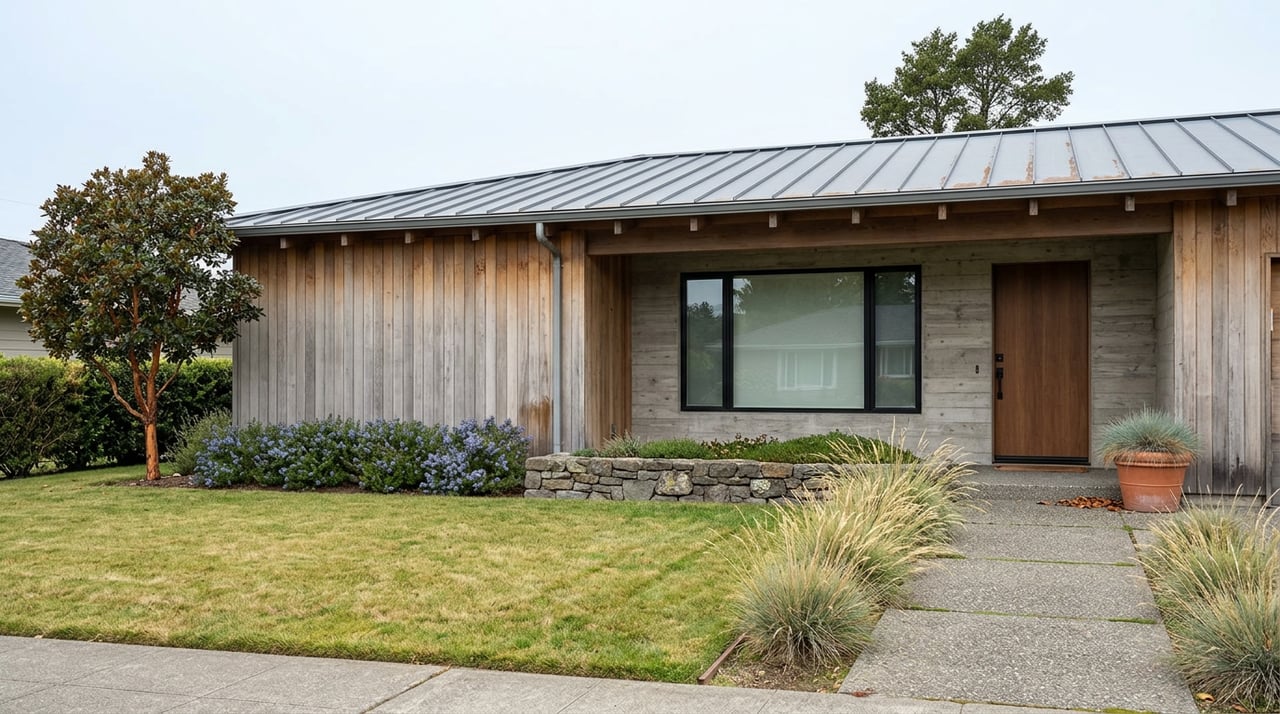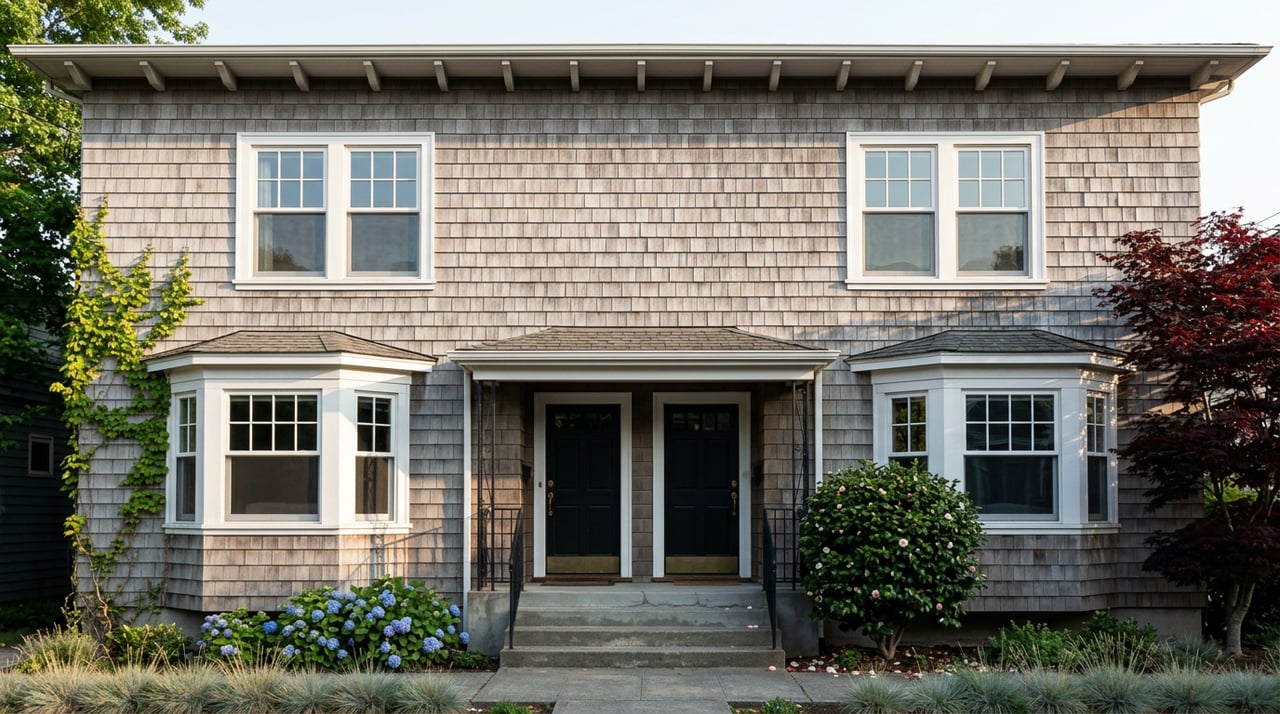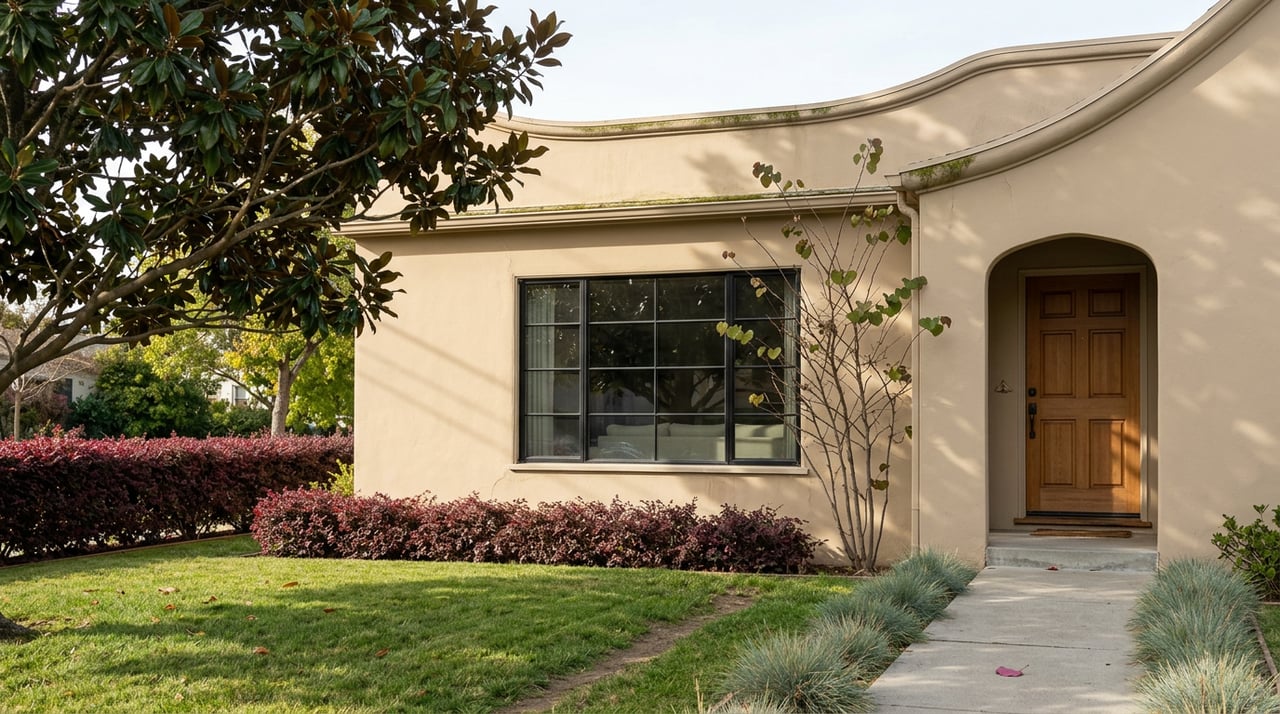
Picture touring a 1930s bungalow on Arlington Avenue and asking your agent a simple question: which city hall handles building permits here, El Cerrito's or Berkeley's? The honest answer is neither. Kensington has no city hall, no mayor, and no city council. What it has instead is two homegrown agencies that residents voted into existence generations ago to do the job a city government would otherwise do, and in September 2025 those two agencies became one for the first time in nearly fifty years.
That merger is not a footnote. If you're comparing a Kensington listing against something in Berkeley Hills or the El Cerrito hills, you're not just comparing square footage and lot size. You're comparing two fundamentally different ways a neighborhood pays for its own safety and services, and Kensington's version just changed its shape.
No Mayor, No City Council, No City Limits Sign
Kensington sits in unincorporated Contra Costa County, tucked between Berkeley and El Cerrito in the East Bay hills. The county's Board of Supervisors is the technical governing body, with Kensington grouped into District 1 alongside El Cerrito, Richmond, San Pablo, North Richmond, and parts of El Sobrante and Pinole. The county handles the things counties handle everywhere: zoning, building permits, code enforcement, animal services, and public works. When Contra Costa repaved several Kensington streets under its 2025 slurry seal and overlay project last fall, that was the county doing county work.
But police protection, fire service, parks, and garbage collection in Kensington don't run through any city council. They run through two special districts that residents created themselves, at the ballot box, because they weren't satisfied with what the county alone could offer.
Two Districts, One Prop 13 Problem That Took 47 Years to Resolve
The story starts in 1946, when Kensington voters petitioned to form their own police district after growing frustrated with the level of coverage the County Sheriff was providing. That agency expanded over time. In 1955 voters added park and recreation services. In 1979 they voted in trash collection. By 1995 it carried the name most longtime residents still use: the Kensington Police Protection and Community Services District, or KPPCSD.
Fire protection followed a different path. Rather than fund its own department, the Kensington Fire Protection District, or KFPD, has contracted fire suppression and emergency response from the City of El Cerrito since 1995, an agreement amended four times since, most recently in 2022. Two Kensington-owned engines sit in the district's own Public Safety Building: one built specifically for the steep, narrow streets that define the hills, and one wildland engine for fire season. The district also partners with American Medical Response for ambulance service.
Here's the part that most buyers never hear about, and it's the reason this year's merger matters. When Proposition 13 passed in 1978, it locked in property tax allocations based on what each agency was already spending. At that moment, Kensington's police district happened to be well-managed and running lean, while the fire district was spending more. Prop 13 froze that snapshot in place, permanently allocating the police district less tax revenue than the fire district, regardless of what either agency actually needed going forward. That mismatch created a standing financial strain for both districts that persisted for nearly five decades.
What Actually Changed on September 1, 2025
After a joint board process that started with a 2023 special meeting and ran through a formal fiscal study, KPPCSD and KFPD completed a reorganization. Effective September 1, 2025, contingent on final sign-off from the Contra Costa Local Agency Formation Commission, the fire district dissolved and its responsibilities, contracts, assets, and liabilities transferred to a single successor agency: the Kensington Community Services District, or KCSD.
The practical effect on daily life is close to invisible. Fire response still comes from the City of El Cerrito under the same contract terms, out of the same station, with the same two engines. What changed is the governance and financing behind it. The combined district now operates on roughly $10 million in annual revenue, and its founding terms require it to spend at least $4 million a year on fire service and at least $1.38 million a year on police service, a built-in floor meant to prevent either function from being shortchanged the way the old funding split allowed.
The board itself is shrinking on a set schedule. It started with eleven directors, drawn from the two predecessor boards plus one additional seat. This November, three of the seven seats up for election will be filled, cutting the board to seven members. By 2028, two more seats disappear, settling the board at five members permanently.
| Before September 2025 | After September 2025 | |
|---|---|---|
| Police agency | KPPCSD | KCSD |
| Fire agency | KFPD (contracts fire service from El Cerrito) | KCSD (same El Cerrito contract, transferred) |
| Combined board size | 11 directors | 7 in 2026, 5 by 2028 |
| Minimum required spending | Set independently by each district | $4M/year fire, $1.38M/year police, by charter |
What This Means If You're Weighing Kensington Against Berkeley or El Cerrito
If you're used to a standard city government, buying in Kensington means something different sits behind your tax bill and your 911 call. Kensington's roughly 5,075 residents elect the district board directly, a body moving from eleven seats to seven this November and finally to five by 2028, rather than sharing a single council seat with tens of thousands of neighbors in a larger city. Board meetings happen monthly, on the second Thursday, at the Kensington Community Center on Arlington Avenue, and they're open to anyone who wants to sit in.
That structure has upside and a tradeoff. The upside: your vote carries more relative weight in a district election measured in a few thousand ballots than it would in a citywide race. Civic groups like the Kensington Municipal Advisory Council and the nonprofit Kensington Community Council exist specifically to keep that feedback loop tight, running everything from the weekly farmers market on Oak View Avenue near Colusa Circle to after-school programs. The tradeoff: Kensington residents have voted against annexing into El Cerrito on two separate occasions, the first time by roughly a two-to-one margin, opting to keep funding two of their own agencies even through the Prop 13 shortfall the 2025 merger just resolved.
The Market Isn't Reading From the Same Script Twice
None of this civic reshuffling has slowed the market, but the market's own numbers make the case for reading Kensington data carefully rather than at face value. In December 2025, Redfin's neighborhood-level tracking put Kensington's median sale price at $1.8 million, up 1.4 percent year over year, with homes averaging 29 days on market against 19 days the year before, on just six recorded sales that month. By May 2026, Redfin's broader citywide tracking put the median sale price at $1,748,953, essentially the same dollar figure, except the year-over-year growth rate had jumped to 29.5 percent.
The price barely moved. The percentage swung by roughly 28 points. That gap is the tell, and it's the same lesson as the district merger: totals matter more than headline percentages in a place this small. Kensington has roughly 2,200 homes, and monthly sales counts run in the single digits, so a year-over-year percentage is really being calculated against whichever handful of houses happened to close in the comparison month a year earlier, not against any broad shift in what the neighborhood is worth. Add in a housing stock that mixes 1920s and 1930s cottages with midcentury moderns and larger architect-built homes on view lots, with little standardization from block to block, and it's easy to see why one month's closings can look nothing like the next. The price band sitting consistently near $1.75 to $1.8 million across both readings is the number worth trusting. The percentage attached to it, less so.
A Few Questions Worth Settling Before You Write an Offer
Does the district merger raise my property tax bill? Not on its own. Even after the merger, KCSD's board adopted two separate resolutions for fiscal year 2026-27, a supplemental police tax and a special fire tax, both collected through the county tax roll, the same structure that predated the consolidation. The merger combined governance and reserve accounts, not the underlying tax line items. This is general information, not tax advice, so confirm your specific parcel's current assessment with the Contra Costa County Assessor before making an offer.
Will Kensington ever incorporate as its own city? History suggests no. Residents have voted against merging with El Cerrito twice, preserving independent police and fire governance even when it meant funding strain.
Who do I call for a non-emergency police matter? The Kensington Police Department, still under Chief Mike Gancasz, handles patrol and non-emergency calls directly through KCSD. You're not routed through the county sheriff for day-to-day policing.
Does the fire response change because of the merger? No. El Cerrito Fire still responds under the existing contract, from the same station, with the same equipment. The merger changed who governs the budget, not who shows up.
If you're comparing what a home actually costs to own in Kensington against something similar in Berkeley Hills or El Cerrito, the governance structure behind it is part of that math, not a side note. Pirnia Homes can walk you through how each city's service model, tax structure, and civic voice actually plays out for your specific situation. Request a personalized home valuation and let's talk through what you're really buying.