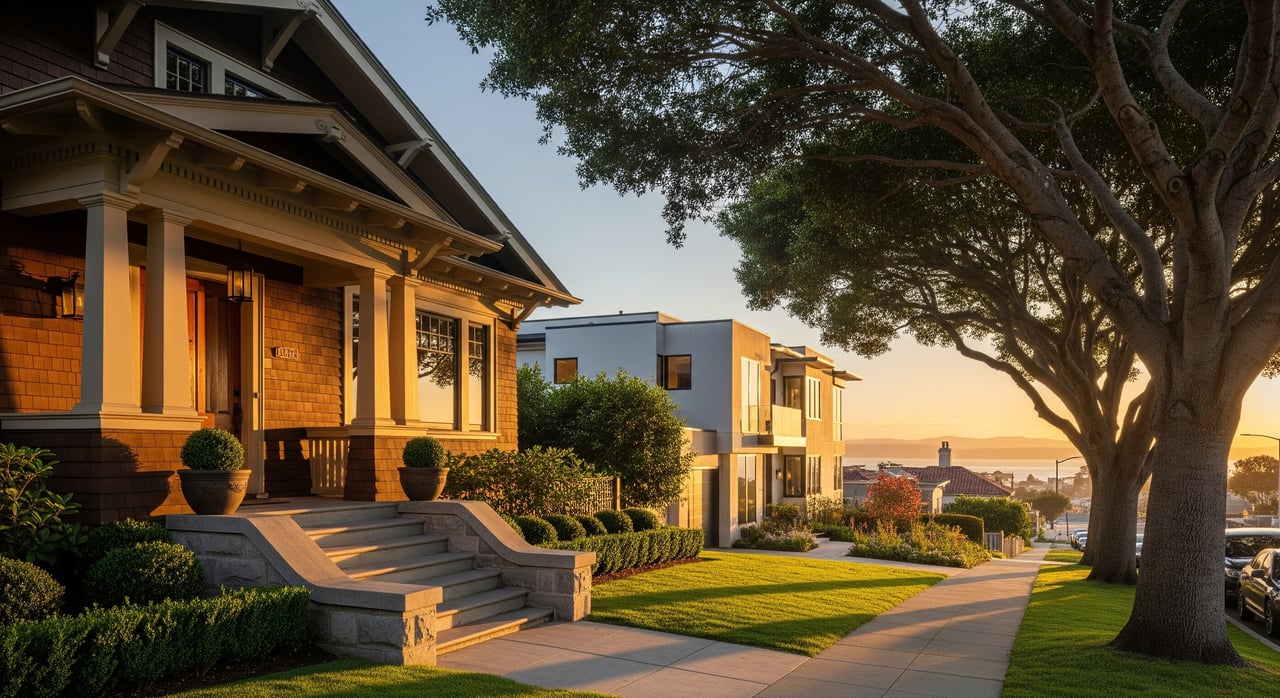
Trying to choose between Berkeley and Albany can feel like comparing two great versions of the East Bay lifestyle. You might be weighing transit access against quieter streets, or housing variety against limited inventory. In this guide, you’ll learn how these neighboring cities differ in housing, commute options, parks, dining, and pricing dynamics so you can focus your search with confidence. Let’s dive in.
Berkeley vs. Albany at a glance
Both cities sit along the I-80/580 corridor on the East Bay shoreline. Berkeley is larger, with multiple BART stations and a wider range of housing and amenities. Albany is smaller and more residential, with a compact main street and easy shoreline access. Your best fit depends on how you balance convenience, pace, and the type of home you want.
Housing and architecture
Berkeley: Broad mix and urban pockets
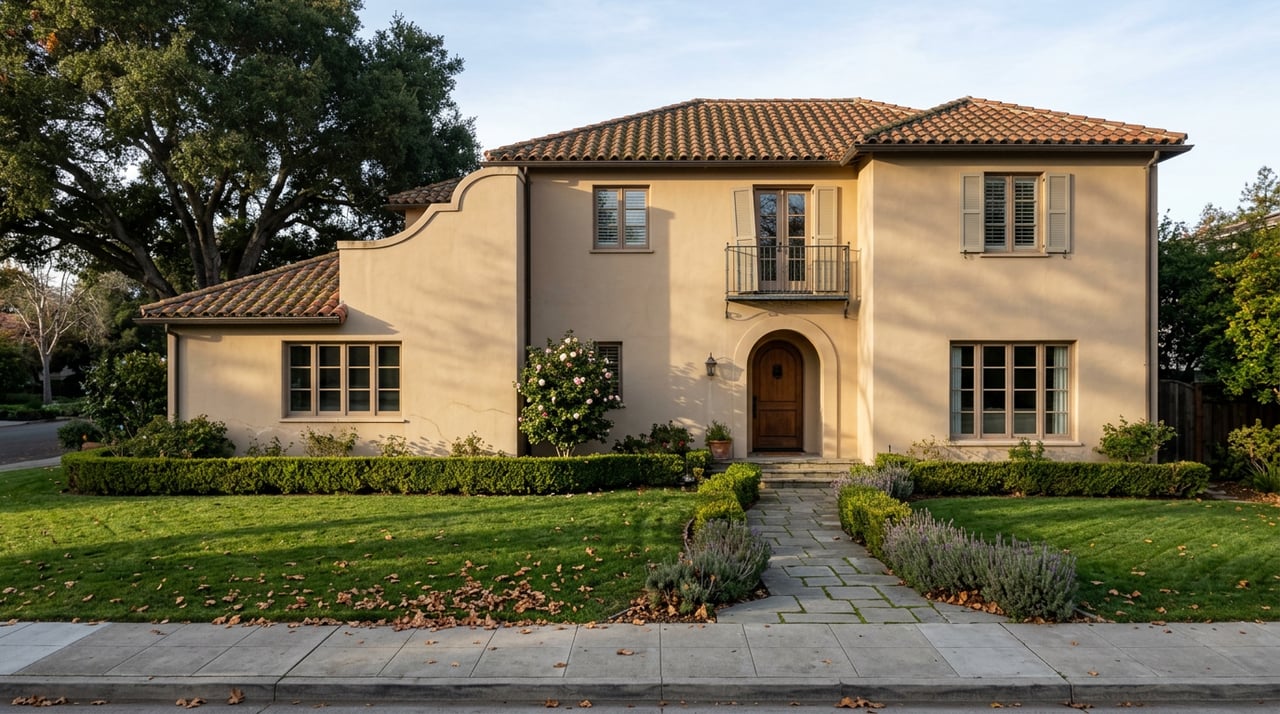
You’ll find an unusually diverse housing mix in Berkeley. Options span historic Victorians, Craftsman bungalows, Mission and Spanish styles, mid-century homes in the hills, and denser apartments and condos near the UC Berkeley campus and along major corridors. Central neighborhoods have a strong presence of multi-unit buildings and student-oriented rentals, which creates a steady rental market and more entry points for condo or flat buyers.
The city also has an established regulatory framework for rentals. Berkeley’s older rental units are subject to rent stabilization rules and local oversight that shape the market for both tenants and landlords. If you plan to purchase an income property, factor in these policies and the city’s active planning for ADUs and infill development.
Albany: Mostly single-family, small-city scale
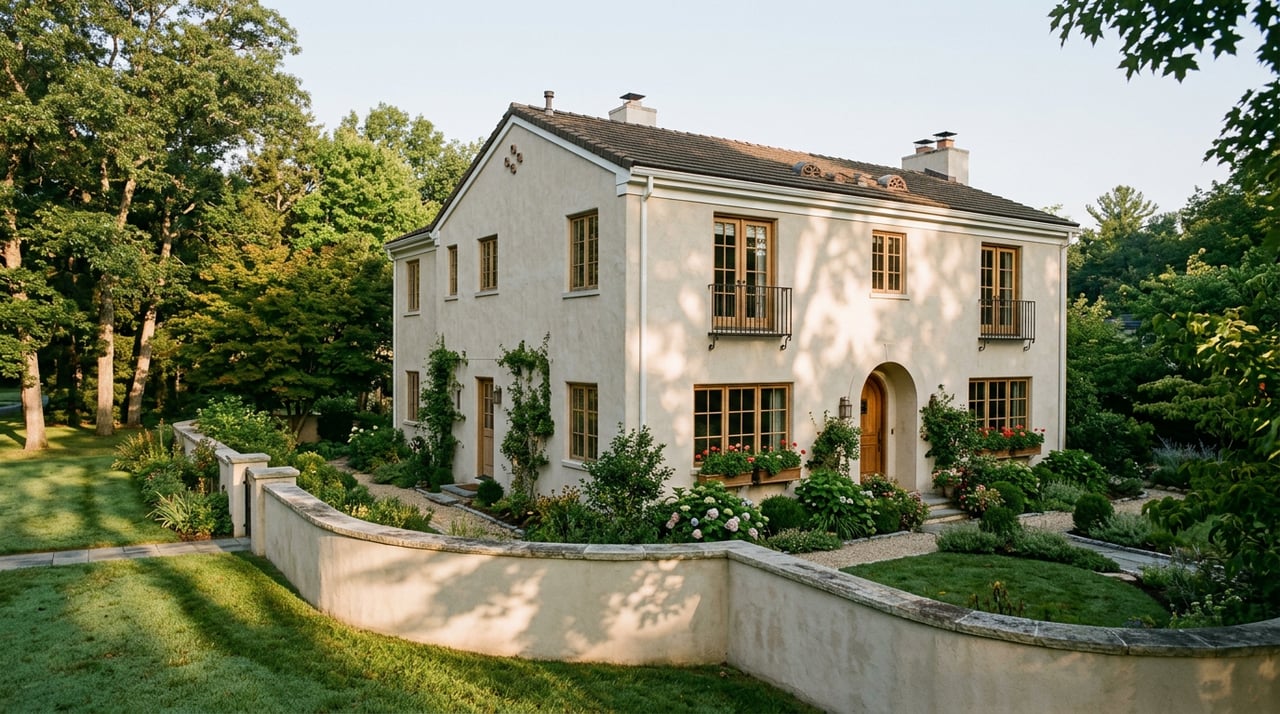
Albany’s housing stock is more uniform and predominantly single-family. Expect early to mid-20th-century homes, including Craftsman bungalows, California foursquares, Spanish-style, modest Tudor, and ranch houses. Multi-unit buildings exist, mostly as small apartment properties or garden-style condos near Solano Avenue and San Pablo Avenue, but they are less common than in Berkeley.
Zoning is largely low-density residential, with commercial activity focused on Solano and San Pablo. Albany does not have a long-standing rent-stabilization program like Berkeley, which contributes to different rental dynamics.
Renovation, lots, and lifestyle
Both cities offer plenty of older homes that may need updates. Berkeley’s hills neighborhoods include architecturally significant homes that appeal to restoration-focused buyers, with some larger lots in areas like Claremont and along Marin corridors. Albany lots are often smaller but have a consistent neighborhood fabric and a quieter feel on many residential blocks. If yard size matters, compare specific micro-neighborhoods before you decide.
Commute and transit access
Berkeley: Multiple BART stations and dense transit
Berkeley offers direct rail access via three BART stations in the city, making it easier to commute to downtown Oakland, San Francisco, and beyond. Many central neighborhoods are walkable or bikeable to BART. The city is also served by an extensive AC Transit bus network and established bike lanes, which makes car-light living more feasible.
- Explore stations and connections on the official BART station list.
- Check local and transbay bus options via AC Transit routes.
Albany: Feeder trip to nearby BART
Albany does not have a BART station within city limits. Most residents connect to El Cerrito Plaza, El Cerrito del Norte, or nearby Berkeley stations by a short drive, bike ride, or bus. That feeder leg typically adds 5 to 15 minutes before the rail portion of your commute. AC Transit provides local service along Solano and San Pablo, linking Albany to surrounding hubs and BART.
Driving and parking expectations
Both cities border I-80/580 for north-south travel and Bay Bridge access. Street parking can be tighter in Berkeley’s central and student-heavy areas due to permit programs and overall demand. Albany’s residential blocks often feel easier for on-street parking, though Solano Avenue can be busy during peak hours and events.
Parks and outdoor life
Berkeley: Regional trails and waterfront
If you love the outdoors, Berkeley’s open space network is a major draw. The city sits beside one of the East Bay’s crown jewels, Tilden Regional Park, which offers hiking, a botanical garden, picnic areas, and family activities. Along the shoreline, you can enjoy kite flying and Bay views at the marina and adjacent waterfront parks, plus bike and pedestrian paths that make weekend outings simple.
Neighborhood parks like Ohlone, Codornices, Live Oak, and the campus-adjacent green spaces add to the daily outdoor rhythm. If hill trails and larger regional parks are a priority, Berkeley puts you closer to that mix.
Albany: Albany Bulb, flat paths, easy views
Albany shines with approachable waterfront recreation and striking Bay views. The shoreline connects to the McLaughlin Eastshore State Park, a protected linear park that includes trails and access points near the Albany Bulb. The terrain is mostly flat, which makes it great for casual walks, dog walking, and bike commuting along the water. Within the city grid, smaller neighborhood parks and fields serve daily routines and community sports.
Dining, shopping, and culture
Berkeley: Destination dining and many corridors
Berkeley’s dining scene is wide and diverse, with long-established culinary destinations and a constant rotation of new cafes and restaurants. You can explore Fourth Street’s upscale retail and eateries, the eclectic energy of Telegraph, the boutique feel of Elmwood, and the historic food culture associated with the North Shattuck corridor. Multiple weekly farmers’ markets and frequent food events create a busy calendar.
Albany: Solano Avenue’s main-street charm
Albany’s scene is smaller, steady, and neighborly. Solano Avenue anchors day-to-day life with coffee shops, independent bookstores, family-friendly restaurants, bakeries, and small boutiques. You get a small-town main-street experience with the advantage of being a quick hop from Berkeley’s broader cultural lineup.
Price ranges and market dynamics
Prices shift quickly across the Bay Area, but some patterns tend to hold. Albany’s small size and concentration of single-family homes often produce higher per-square-foot prices and a higher median for single-family properties compared with many parts of Berkeley. Limited inventory can drive competitive bidding for well-priced homes.
Berkeley’s pricing varies widely by neighborhood. Certain pockets, such as parts of North Berkeley, the Hills, and the Claremont area, can command premiums equal to or above Albany. At the same time, Berkeley offers a broader range of condos, flats, and multi-unit options that can create lower-cost entry points for buyers who are flexible on property type.
What drives these differences? Albany’s constrained supply and consistent single-family streets set a high baseline. Berkeley’s steady demand benefits from university presence, strong transit access, and a larger amenities map, while its greater variety of property types helps keep options open for different budgets. If you are weighing appreciation potential, both markets have strong long-term fundamentals. The best way to assess value is to compare like-for-like homes in the same season, then track micro-neighborhood trends.
Which town fits your lifestyle?
- Choose Berkeley if you want walkable BART access, a larger and more varied dining and cultural scene, and a broad mix of housing types. Expect livelier streets near campus, more permit parking, and more options for condos and multi-unit properties.
- Choose Albany if you want a quieter, small-city feel with consistent single-family neighborhoods and easy, flat waterfront paths. Plan on a short connector trip for BART and a tighter pool of listings.
If you are torn, tour blocks on both sides of the Berkeley–Albany border, especially around North Berkeley and Solano Avenue. Some Berkeley streets feel very similar to Albany in scale and calm, while Albany’s main street brings a Berkeley-adjacent experience in a smaller package.
How we can help you decide
Every buyer’s trade-offs are different. You might value a Craftsman on a tree-lined street over a shorter commute, or you might prefer condo flexibility near BART. We will help you map those priorities to actual inventory and micro-neighborhoods so you can act decisively when the right home appears.
When you are ready to compare real listings, schedule tours, or position your sale for premium pricing, reach out. If you are a homeowner curious about selling, request a valuation so you can plan your next move with clarity.
Ready to start? Connect with Portia Pirnia for thoughtful, local guidance and to request a personalized home valuation.
FAQs
How do San Francisco commutes compare from Berkeley vs. Albany?
- Berkeley typically offers faster, more walkable access to BART for central neighborhoods, while Albany usually adds a 5 to 15 minute feeder trip by car, bike, or bus to a nearby station before the rail portion.
What housing types dominate in each city?
- Berkeley has a wide mix of single-family homes, condos, and multi-unit buildings near major corridors. Albany skews toward single-family homes with smaller pockets of apartments and garden-style condos.
Are there rent rules in Berkeley I should know?
- Yes. Many older rental units are covered by local rent stabilization. Review details with the city’s Rent Stabilization Board for current rules and processes.
Where can I find the best outdoor options nearby?
- For hill trails and family destinations, start with Tilden Regional Park. For waterfront paths and Bay views near Albany, explore the McLaughlin Eastshore State Park.
What are my public transit options without a car?
- Berkeley offers multiple BART stations plus frequent AC Transit service. Albany residents commonly connect to BART by a short AC Transit ride or bike trip. See station details on the BART station list and routes via AC Transit.
How do I choose between Berkeley and Albany if I am still unsure?
- Make a side-by-side list of your top three priorities: transit convenience, street feel, and home type. Tour daytime and evening on both sides of Solano Avenue and in North Berkeley, then compare which blocks match your lifestyle and budget.