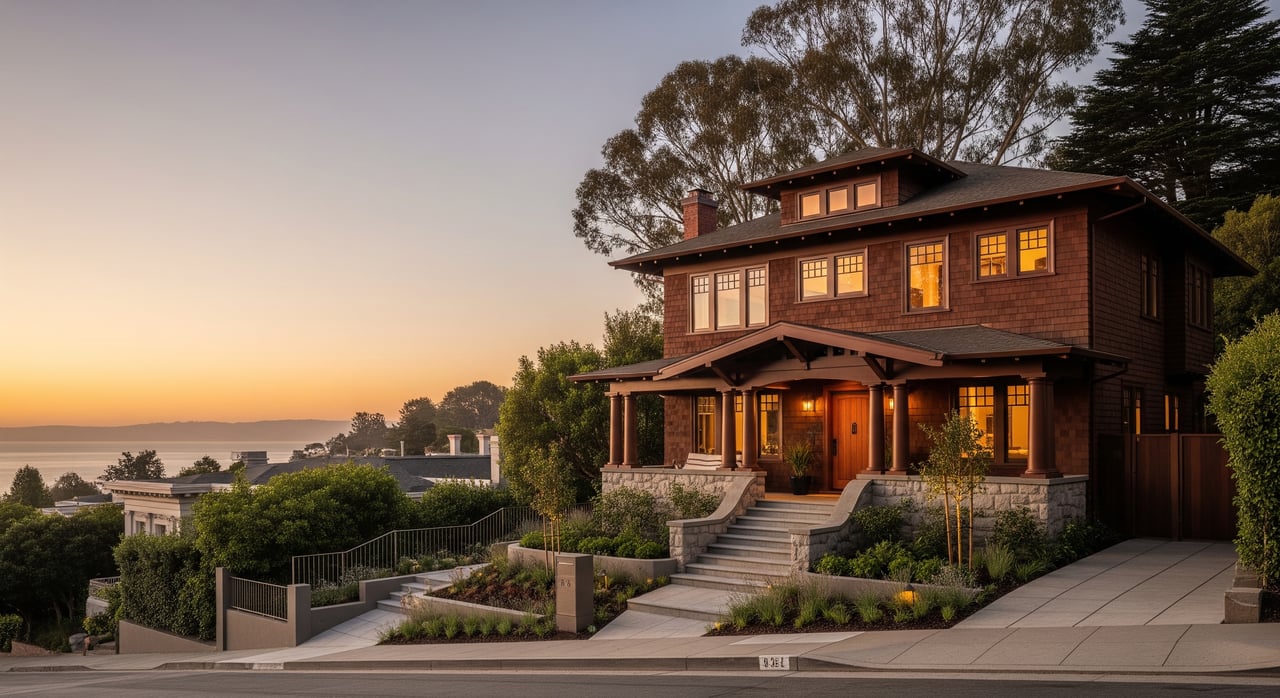
Two Berkeley homes can sit three blocks apart and sell for very different prices. If you have ever wondered why, you are not alone. In Berkeley, small shifts in topography, walkability, and street activity shape buyer demand and resale potential. This guide explains how those micro-neighborhood details affect value so you can buy or sell with confidence. Let’s dive in.
What micro-neighborhood means
Berkeley is a block-by-block market. Micro-neighborhoods share housing types, daily rhythms, and tradeoffs that push prices up or down relative to the city median. Understanding these patterns helps you price a listing correctly or decide which streets best match your lifestyle.
Flats and Central Berkeley
In the flats and central areas, you often see early 20th-century homes, small lots, and a mix of single-family and small multifamily buildings. Many buyers here prioritize proximity to transit, restaurants, and campus. Prices are supported by walkability and rental income potential, while noise and limited parking can be tradeoffs.
Hills
In the hills, homes tend to sit on larger lots with mid-century or custom designs, many with Bay and City views. Buyers value privacy, outdoor space, and access to open space. View and lot size support premiums, but geotechnical considerations, slope construction, and longer commute routes can affect budgets and timelines.
Near commercial corridors
Blocks around Shattuck, Solano Avenue, and Telegraph blend single-family homes with small multifamily properties. Buyers who want a car-light lifestyle often compete strongly here. Walkability supports price per square foot, though immediate frontage on busy blocks brings more late-day activity and tighter parking.
Campus-adjacent areas
Southside and Northside areas close to UC Berkeley include older single-family homes and small multifamily buildings with higher turnover. Rental demand can raise income potential for investors. Owner-occupants sometimes see lower appeal on the most student-heavy blocks due to noise and parking.
West Berkeley and industrial-adjacent pockets
West Berkeley includes older single-family homes, converted industrial spaces, and newer infill. Buyers may find relative value compared with downtown. Redevelopment potential and proximity to jobs add interest, while industrial activity can add noise and traffic.
Pricing mechanics to expect
Micro-neighborhood traits influence how quickly homes sell and at what price band. Here are the repeatable patterns you can use when evaluating options.
Transit and walkable retail
Being near BART and active retail typically shortens days on market. Buyers who prefer a car-light lifestyle often pay for that convenience. On the busiest blocks, confirm sound profiles and parking before pricing at the very top.
UC Berkeley rental demand
Near-campus rental demand supports higher investor interest and can buoy multifamily values. For owner-occupants, heavy student activity sometimes lowers desirability of specific blocks. University housing expansions can reduce nearby rental pressure, so keep an eye on campus projects when assessing resale risk.
Views, topography, and lot size
Hillside properties with views and larger lots often command premiums, reflected in higher price per square foot and stronger buyer willingness to compete. That premium is balanced by maintenance and site-specific risks. Carry a budget for inspections and site reports when you shop hillside homes.
Housing type and ownership mix
Blocks with more single-family homes and higher owner-occupancy tend to show steadier pricing. Areas with a large share of small multifamily rentals can have higher turnover and price swings tied to rental market shifts.
Regulatory and physical constraints
Zoning limits, hillside overlays, and historic districts can constrain supply and support pricing for allowed home types. In the hills, slope and grading rules raise construction costs. If you plan to expand or rebuild, model these costs before you buy.
Policy and risk factors to budget for
Berkeley’s local rules and environmental context shape value and timelines. Incorporate these into your plan early.
Rent regulation and tenant protections
Berkeley’s rent stabilization and tenant protections influence how multiunit properties are priced and who competes for them. Investor underwriting will differ near campus compared with quiet residential areas due to rent law and turnover patterns.
Hillside overlays and zoning
Hillside development rules restrict certain construction types and increase costs for additions or rebuilds. These constraints help maintain premiums for existing homes but require careful planning, budgeting, and professional reports for buyers who need future upgrades.
Schools and boundaries
School boundaries and program magnets influence buyer decisions more than citywide averages. If school assignment matters to you, verify the specific address details during due diligence. For resale, note that many family-focused buyers pay attention to street-level school information.
University planning trends
UC Berkeley’s enrollment shifts and new on-campus housing can change rental demand in surrounding blocks. Monitor university housing announcements to understand potential impacts on income assumptions and resale positioning for properties near campus.
Environmental risks and insurance
Slope stability, bedrock conditions, and seismic retrofit needs can affect insurance, disclosures, and buyer confidence. In hillside areas, budget for geotechnical reports, structural inspections, and potential seismic upgrades.
Price, shop, and sell by micro-feature
Turn neighborhood knowledge into practical steps for stronger outcomes.
Walkable retail within 10 minutes
- Seller tip: If your home aligns with corridor expectations on style and condition, you can often price near the top of local comps. Highlight walk scores and daily convenience in your marketing.
- Buyer tip: Pay for the lifestyle if it is central to your goals, and check soundproofing, parking, and evening activity on the immediate block.
Student-heavy streets
- Market signal: Single-family homes used as rentals may trade on income as much as on comparable sales.
- Strategy: As a seller, show a clear path to owner-occupancy if that expands your buyer pool. As a buyer, weigh income potential against your comfort with turnover.
Hillside view streets
- Market signal: Scarce views and larger lots produce premium pricing and sometimes wider comp bands.
- Strategy: Bring a geotechnical contingency, tour at different times of day to evaluate views and light, and budget for higher inspection and maintenance costs.
Adjacent to major transit
- Market signal: Shorter days on market due to commute convenience.
- Strategy: Sellers should highlight transit access and realistic commute times. Buyers should evaluate noise and vibration if the property sits directly by transit.
Historic or cohesive blocks
- Market signal: Architectural character and intact period details can support premiums.
- Strategy: Preserve charm in staging and pair it with strong system upgrades. Buyers often value move-in readiness on these streets.
Smart steps before you decide
- Pull hyperlocal comps: Use the last 6 to 12 months within a very tight radius for the exact block type you are targeting.
- Compare days on market and sale-to-list ratios to gauge competition differences between nearby streets.
- Check ownership mix using reliable data so you understand owner versus renter dynamics.
- Review current rent rules and any university housing updates if you are evaluating near-campus properties.
- Walk the block at different times to assess parking, sound, and evening activity before setting price or writing an offer.
Common mistakes to avoid
- Overgeneralizing a neighborhood: Two blocks apart can be two different markets.
- Assuming fixed premiums: View and walkability premiums vary. Confirm with current comps.
- Ignoring policy shifts: Rent rules and campus housing can change investor appetite quickly.
- Relying on one data source: Cross-check assessor records, MLS comps, and relevant local updates for a clear picture.
Work with a local strategist
Matching the right home to the right street is part data and part design. You deserve both. With boutique, hands-on representation and deep micro-neighborhood knowledge, Portia Pirnia helps you price and present a listing for premium positioning or target the specific blocks that fit your life and budget. From curated staging and clear valuation to competitive offer strategy, you get guidance built for Berkeley’s street-by-street market.
FAQs
Do Berkeley hills always sell for more than the flats?
- Not always. Hills often command premiums for views and larger lots, but some buyers prefer flats for walkability and lower maintenance. Pricing is block-specific and depends on condition and access.
How does being near UC Berkeley affect price?
- Near-campus rental demand raises investor interest and income potential. For owner-occupants, the most student-heavy blocks can feel less desirable. Track campus housing projects to gauge future rental pressure.
Does living near a commercial corridor always add value?
- It depends on the block. Proximity to active retail and cafes supports pricing, but immediate frontage on the busiest stretches can add noise and parking challenges that offset the premium for some buyers.
Are hillside homes too risky due to seismic and slope issues?
- Risk is site-specific. Many hillside buyers plan for geotechnical and structural evaluations and budget for seismic upgrades. Proper due diligence helps you manage the risk and value the property accurately.